How to Calculate Landed Cost for Wholesale Bags (With Example)
Published: August 15, 2026 | 7 min read
Landed cost is what a bag truly costs when it reaches your warehouse - the only number that lets you price for profit. Here is the formula and a worked example for imported wholesale bags.
The Formula
Landed cost per unit = (Factory price + Freight + Duty + Fees) / Units
- Factory price - unit ex-works or FOB.
- Freight - ocean/air split per unit.
- Duty - tariff rate times customs value.
- Fees - broker, handling, last-mile.
Worked Example (100 totes, FOB)
| Item | Total | Per unit |
|---|---|---|
| Factory (FOB) | $1,500 | $15.00 |
| Ocean freight | $300 | $3.00 |
| Duty (e.g., 9 percent) | $135 | $1.35 |
| Broker + fees | $65 | $0.65 |
| Landed cost | $2,000 | $20.00 |
Why It Matters
At a $20 landed cost, a $45 retail or $30 wholesale price leaves clear margin after platform and marketing. Skipping this math is how importers lose money. Our duty and freight guides give the rate inputs.
Tips to Lower It
- Consolidate volume to cut per-unit freight.
- Use sea not air for bulk.
- Negotiate FOB and book your own freight.
- Reorder winners to climb the MOQ price tier.
Sample a Avery Structured Tote to scope real numbers.
Get a Free Quote & Digital Mockup
MOQ from 50 pieces per style | Free digital mockup | Samples in 7 days
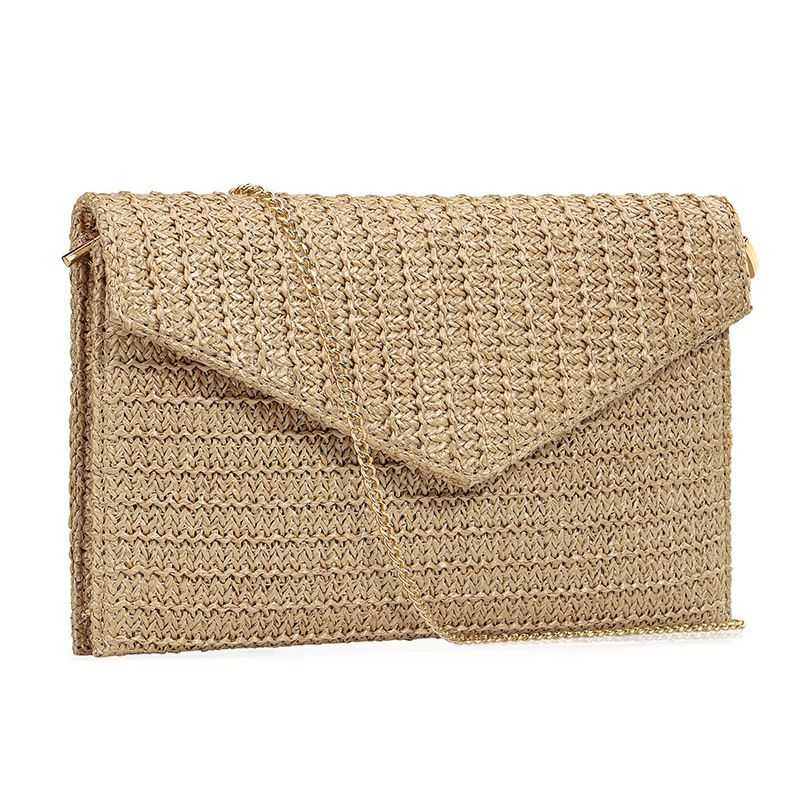
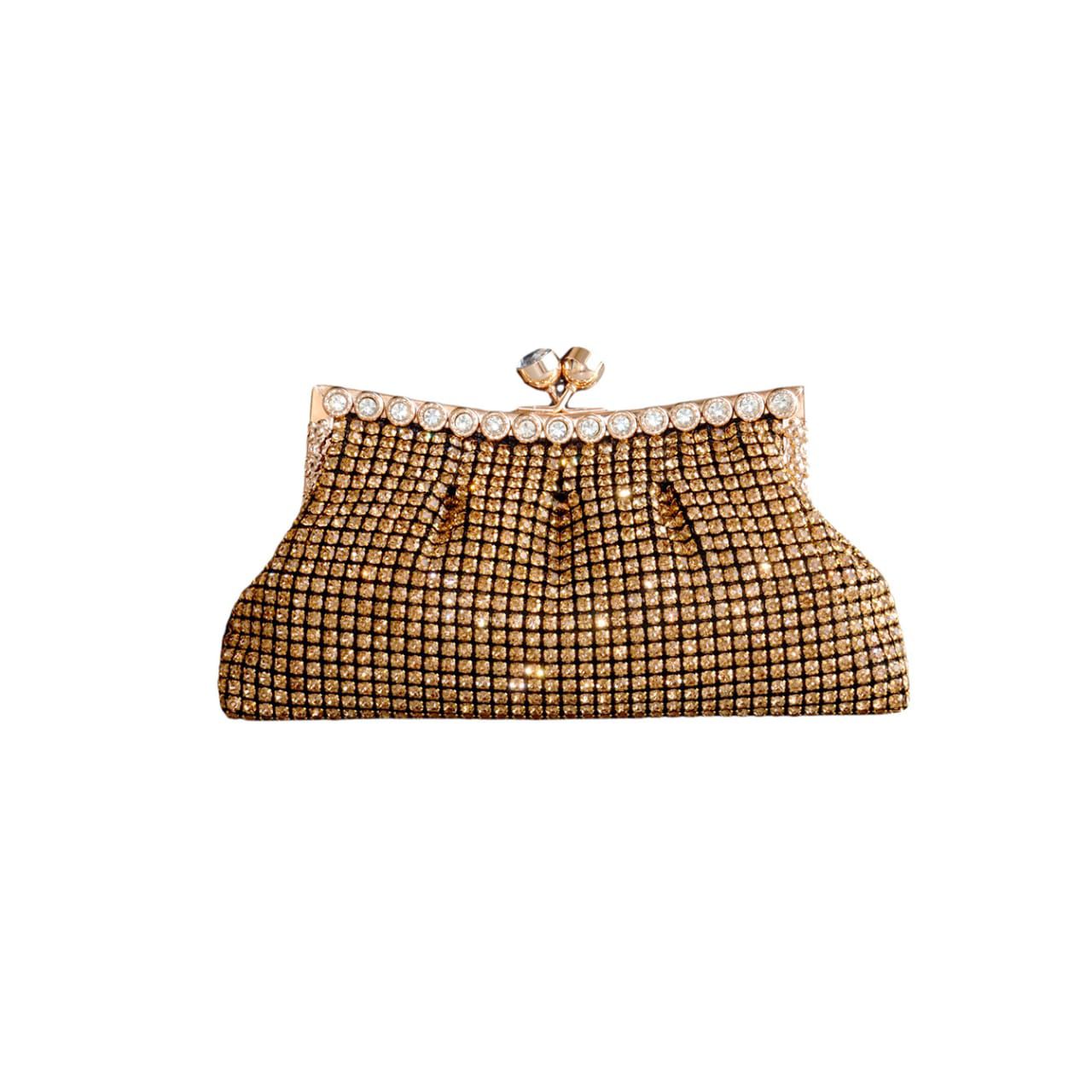
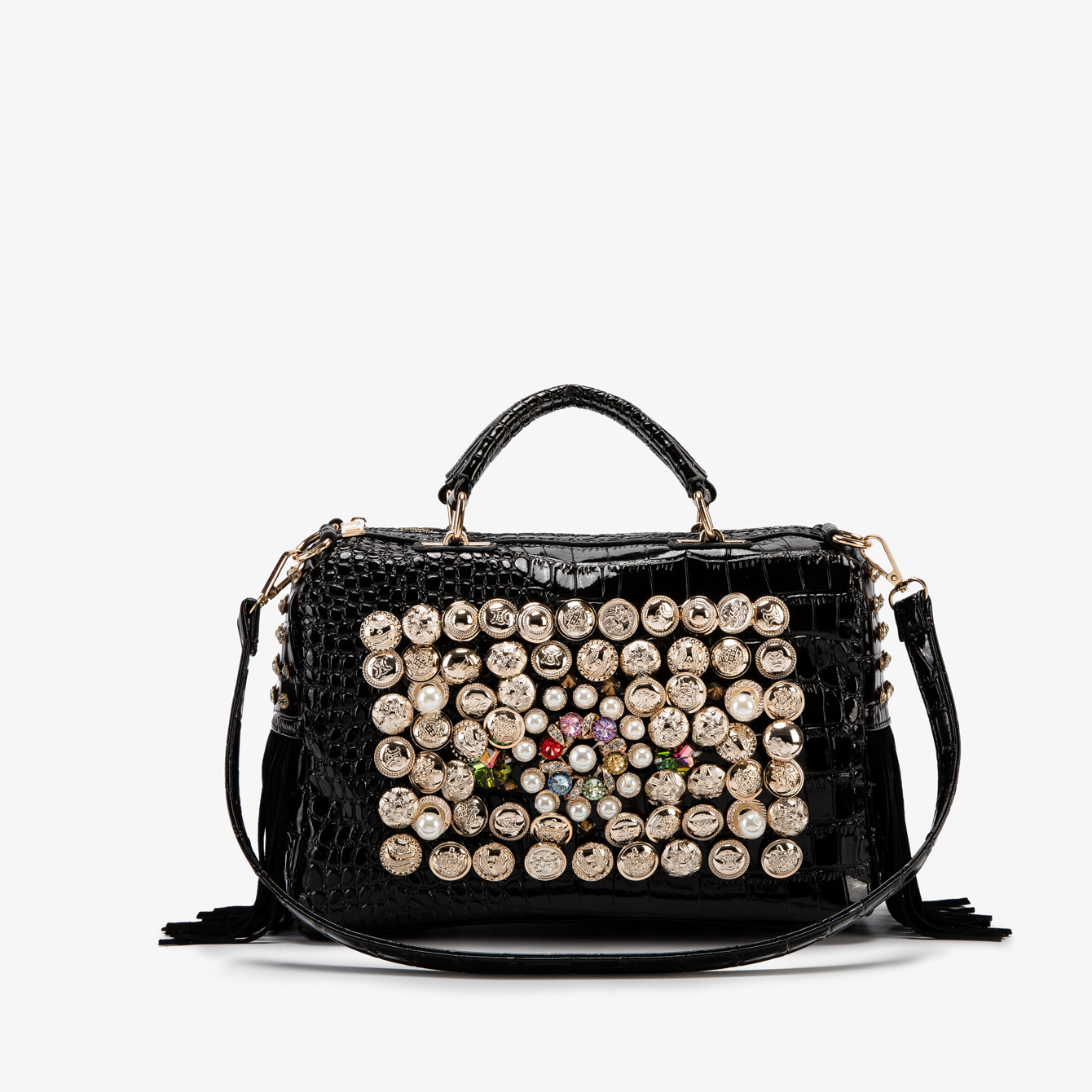
Related Wholesale Tote Bags You Can Customize
More Sourcing Guides
Frequently Asked Questions
Related Wholesale Tote Bags You Can Customize
More Sourcing Guides
What is landed cost?
Total cost per unit when goods reach your warehouse: price + freight + duty + fees.
Why not just use factory price?
Factory price ignores freight, duty, and fees - you would underprice and lose margin.
How do I estimate duty?
Multiply the customs value by the HS 4202 tariff rate for your market.
Does volume lower landed cost?
Yes, freight and tiered pricing both improve per unit at higher volume.
Is sea always cheaper than air?
For bulk, yes; air only wins for urgent, low-volume shipments.
Buyer's decision brief: Landed cost wholesale bags
MOQ is not an arbitrary number a factory invents — it is the point where a production run stops losing money. Three costs drive it: fabric minimums (mills rarely sell under 300–500 metres per colour), hardware tooling (a custom zip puller or logo plate needs a mould), and line changeover (a sewing line takes hours to reset for a new style). Understanding this tells you exactly how to negotiate: if you accept an existing pattern in a stocked colour with a standard puller, MOQ drops sharply; if you need a new mould, it does not.
When you evaluate Landed cost wholesale bags, separate the price into its four components — material, labour/CMT, hardware and packaging, plus factory margin. Material usually accounts for 45–60% of a handbag's FOB cost, which is why switching from genuine leather to PU or recycled PET moves the number far more than haggling. Ask suppliers for a cost breakdown rather than a single unit price; the factories that can explain their own numbers are almost always the ones that will not quietly substitute materials later.
Key parameters at a glance
| Quantity tier | 100 pcs · 300 pcs · 500 pcs · 1,000 pcs · 3,000+ pcs |
|---|---|
| Typical price step | Base · −6–9% · −12–16% · −18–24% · −26–32% |
| Fabric minimum | 300–500 m per colour from the mill |
| Custom hardware tooling | USD 150–600 per mould, usually one-off |
| Sample fee | USD 30–120 per style, refundable against bulk order |
| Packaging | Standard polybag free · branded dust bag / gift box from ~USD 0.35/pc |
| Payment | T/T 30% deposit, balance before shipment |
Mistakes buyers make with Landed cost wholesale bags
- Negotiating the unit price down so far that the factory has to cut material quality to survive.
- Splitting one style across five colours to look varied — each colour restarts the fabric minimum.
- Forgetting to price packaging, hangtags and barcodes, which add up at retail.
- Comparing an EXW quote from one factory with a DDP quote from another.
Why source this from Jinman
Yiwu Jinman Bags runs both sides of the catalogue: ready stock that ships from one piece for buyers testing a market, and full OEM/ODM development from 100 pieces per style and colour. Sampling takes 7–12 days, bulk production 25–35 days, and every order ships against a written spec sheet with AQL 2.5 inspection as standard — 1.5 for first orders. Freight is available EXW, FOB, CIF or DDP door-to-door to the US and EU, with HS codes, REACH and Prop 65 documentation provided for your market.