China vs Vietnam Bag Manufacturers: Where to Source in 2026
Published: August 15, 2026 | 8 min read
As brands diversify supply chains, Vietnam is often pitched as the low-cost alternative to China. The reality is more nuanced. For most small and mid-size bag brands, China - especially Yiwu - still wins on flexibility and speed. Here is a direct comparison.
Cost and Capacity
| Factor | China (Yiwu) | Vietnam |
|---|---|---|
| Labor cost | Moderate | Lower |
| Low-MOQ flexibility | Excellent (50 pcs) | Limited (often 300+) |
| Material ecosystem | Deep, local | Imports more inputs |
| US tariff | Subject to listed rates | Often lower under trade deals |
Lead Time and Agility
China's dense supplier network means materials, hardware, and lining are sourced locally, keeping sampling at about 7 days and bulk at 2-4 weeks. Vietnam often imports components, adding time. For a brand iterating styles, China's agility matters more than a small unit saving.
Tariffs and Trade
Vietnam's advantage is mainly tariff treatment for the US and EU under trade agreements. If your volumes are large and tariff exposure is high, a Vietnam dual-source can help. For low-MOQ and fast-turn brands, China remains more practical. Our global shipping guide covers both routings.
Who Should Choose Which
- Choose China (Yiwu) if you need low MOQ, fast sampling, mixed styles, and quick reorders.
- Consider Vietnam only at 1,000+ units where tariff savings outweigh slower setup.
Many brands start with Yiwu totes and scale later. Test with a sample before deciding.
Get a Free Quote & Digital Mockup
MOQ from 50 pieces per style | Free digital mockup | Samples in 7 days
Related Wholesale Tote Bags You Can Customize
More Sourcing Guides
Frequently Asked Questions
Related Wholesale Tote Bags You Can Customize
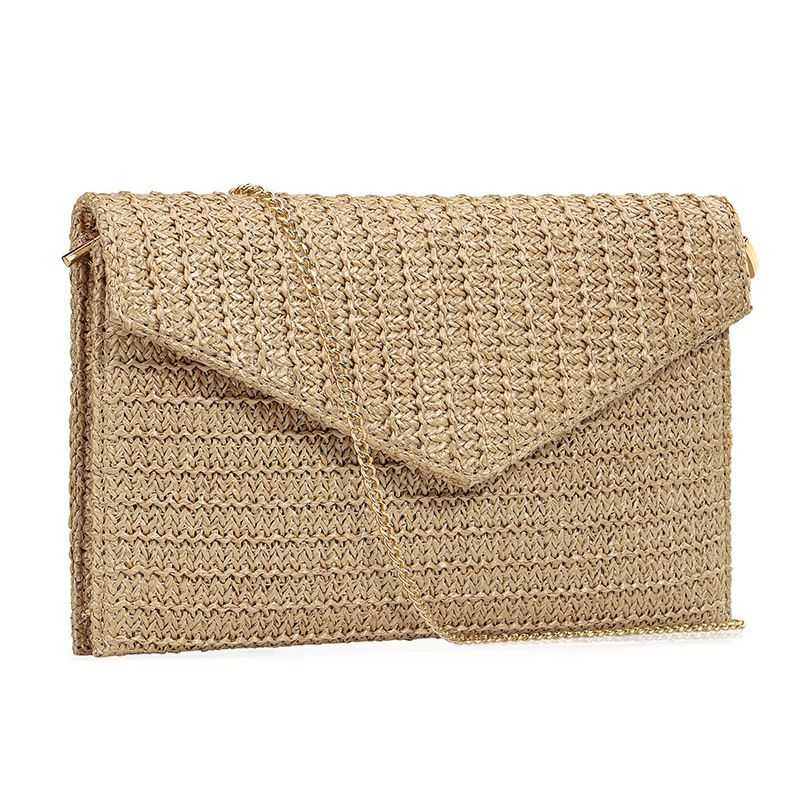
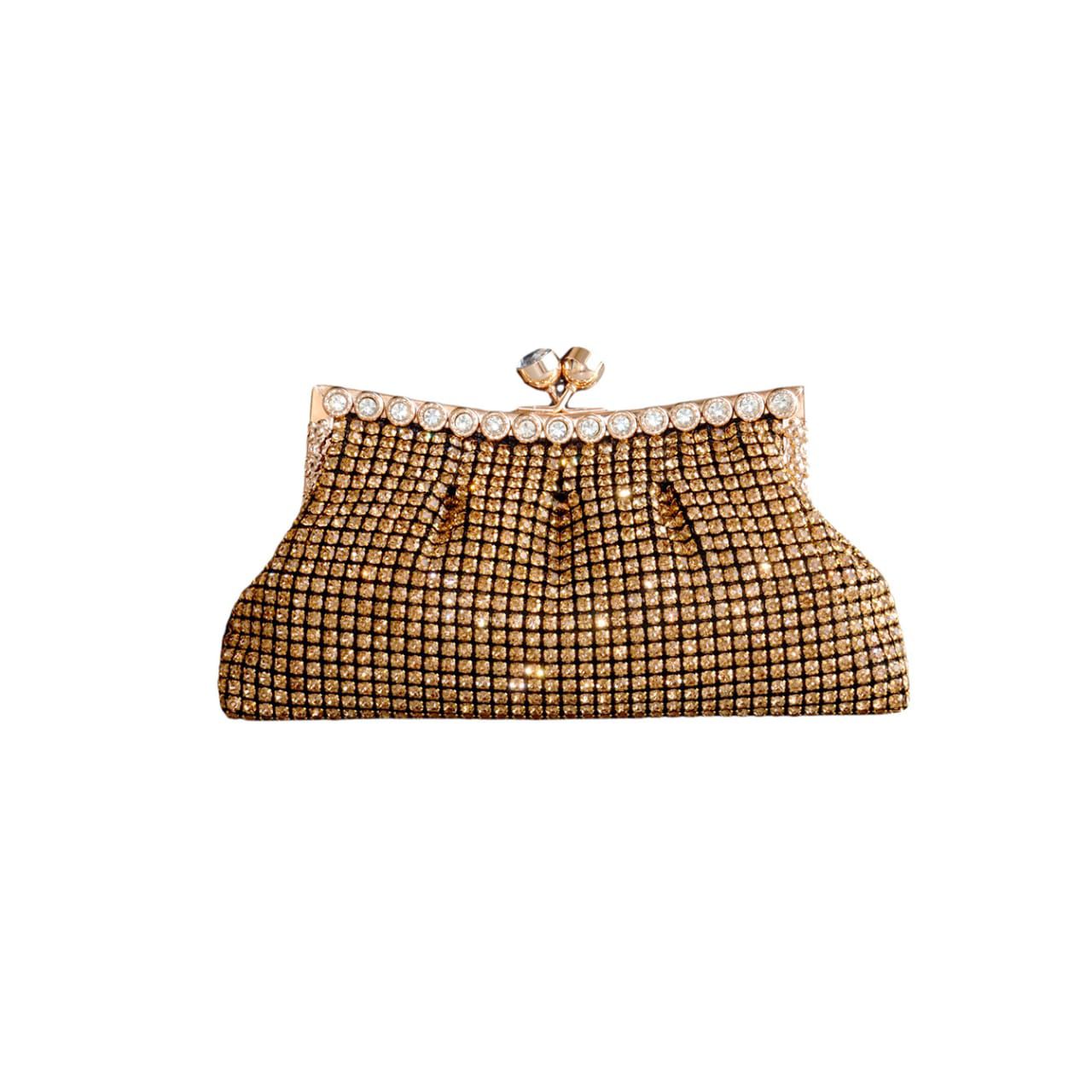
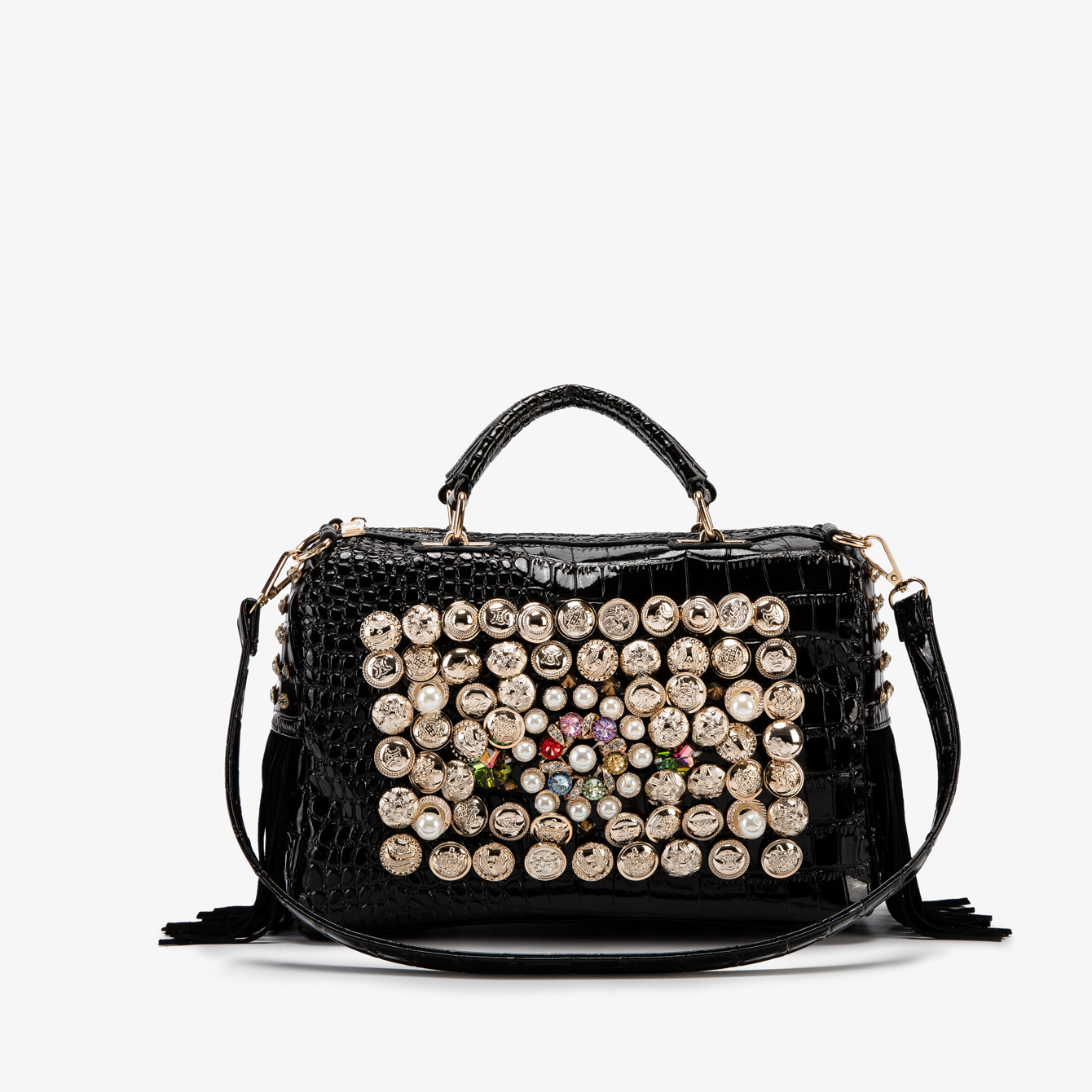
More Sourcing Guides
Is Vietnam cheaper than China for bags?
Labor is lower, but MOQs are higher and material imports add time, so total cost depends on volume.
Why is China still popular for small brands?
Unmatched low-MOQ flexibility, local material supply, and 7-day sampling make China ideal for testing.
Does Vietnam avoid US tariffs?
Often yes under trade agreements, which matters at high volumes but not for small batches.
Can I split production between both?
Yes, many brands dual-source, but manage two QC processes and longer setup on the Vietnam side.
Which is faster to market?
China, thanks to local supply chains and agile small-batch factories like Jinman Bags.
Buyer's decision brief: China vs. vietnam bag manufacturers
Choosing where and how to source China vs. vietnam bag manufacturers comes down to four numbers: unit landed cost, minimum order, lead time, and defect tolerance. Most first-time buyers optimise only for unit price and get burned on the other three. A factory that quotes $3.90 instead of $4.30 but ships 4% defective stock has actually cost you more once returns, re-shipping and marketplace penalties are counted. Ask every supplier for their AQL inspection standard in writing before you place a deposit — AQL 2.5 on major defects is the industry norm for fashion bags shipped to the US and EU.
The practical question behind China vs. vietnam bag manufacturers is not 'who is cheapest' but 'who can hold consistency across repeat orders'. Bag manufacturing is labour-intensive: a tote with 40 seams and 12 hardware points has far more variance than a printed T-shirt. Before committing to a bulk run, order samples from at least two suppliers and compare them on stitch density (stitches per inch), edge paint evenness, hardware plating, and whether the lining matches what was quoted. These four details predict bulk quality better than any certificate.
Key parameters at a glance
| Typical MOQ | Custom: 100 pcs per style/colour · Ready stock: from 1 pc |
|---|---|
| Sampling time | 7–12 days after tech pack or reference sample is confirmed |
| Bulk lead time | 25–35 days for custom · 3–5 days dispatch for ready stock |
| Sea freight | US West Coast 18–25 days · US East Coast 28–35 days · EU 30–38 days |
| Air / express | Air 5–8 days · Courier (DHL/UPS/FedEx) 4–6 days door to door |
| Payment terms | T/T 30% deposit, 70% before shipment · L/C at sight for larger orders |
| Incoterms offered | EXW · FOB · CIF · DDP (door-to-door available to US & EU) |
| HS codes | 4202.21 / 4202.22 / 4202.29 (leather & other) · 4202.92 (textile) |
Mistakes buyers make with China vs. vietnam bag manufacturers
- Confirming a supplier only on price — always compare a physical sample side by side.
- Skipping the pre-production sample approval gate; bulk will follow whatever you signed off.
- Under-estimating freight: a bulky tote can cost more to ship than to manufacture.
- Not clarifying who owns the moulds and tooling for custom hardware before paying for them.
- Ordering one large shipment instead of splitting into two to limit exposure to a single defect batch.
Why source this from Jinman
Yiwu Jinman Bags runs both sides of the catalogue: ready stock that ships from one piece for buyers testing a market, and full OEM/ODM development from 100 pieces per style and colour. Sampling takes 7–12 days, bulk production 25–35 days, and every order ships against a written spec sheet with AQL 2.5 inspection as standard — 1.5 for first orders. Freight is available EXW, FOB, CIF or DDP door-to-door to the US and EU, with HS codes, REACH and Prop 65 documentation provided for your market.