Bag Supplier Certifications: REACH, Prop 65, ISO & What Buyers Need
Published: August 15, 2026 | 7 min read
Compliance certificates build trust and unlock big retailers. Here is what to ask a bag supplier for, by market.
Key Certifications
| Cert | Covers |
|---|---|
| REACH | EU chemical safety (metals, dyes, PVC) |
| California Prop 65 | US CA warning for listed chemicals |
| CPSIA | US children's product safety |
| ISO 9001 | Quality management system |
| BSCI / Sedex | Social accountability audit |
How to Request Proof
- Ask for the test report number and issuing lab (SGS, TUV, Intertek).
- Match the cert to your market (REACH for EU, Prop 65 for California).
- Request a material declaration for hardware and coatings.
- For social compliance, ask for BSCI or Sedex audit status.
Jinman Bags provides available compliance documents on request; see our factory qualifications page.
Why It Matters
Major retailers and marketplaces require proof before listing. Having certificates ready shortens your path to bigger channels and protects your brand from recalls.
Tip
Do not assume - always ask for the actual report, not just a claim. A verified Mae Structured Shoulder sample with docs builds buyer confidence.
Get a Free Quote & Digital Mockup
MOQ from 50 pieces per style | Free digital mockup | Samples in 7 days
Related Wholesale Tote Bags You Can Customize
More Sourcing Guides
Frequently Asked Questions
Related Wholesale Tote Bags You Can Customize
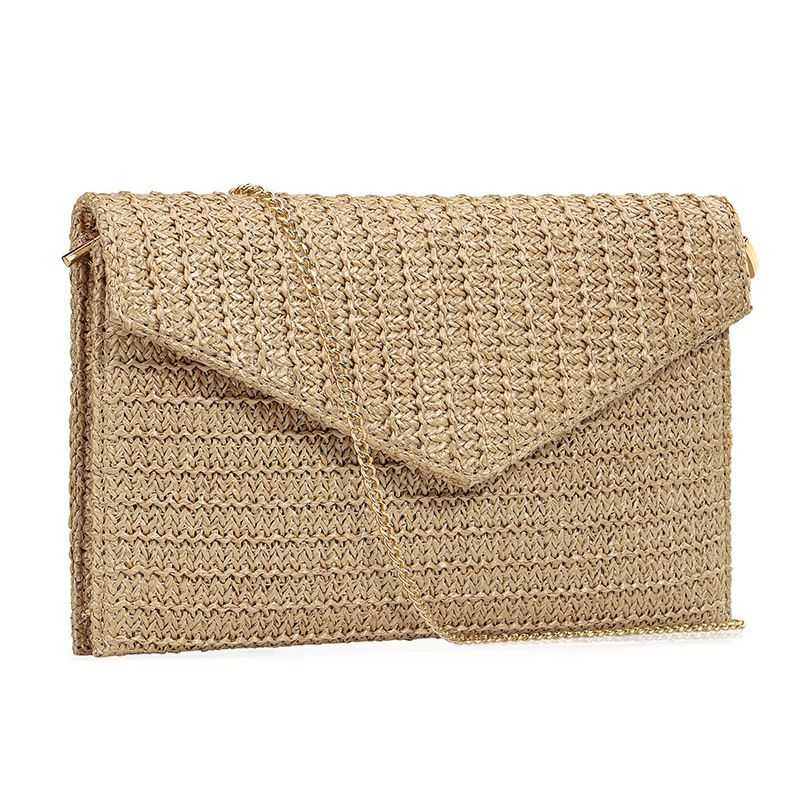
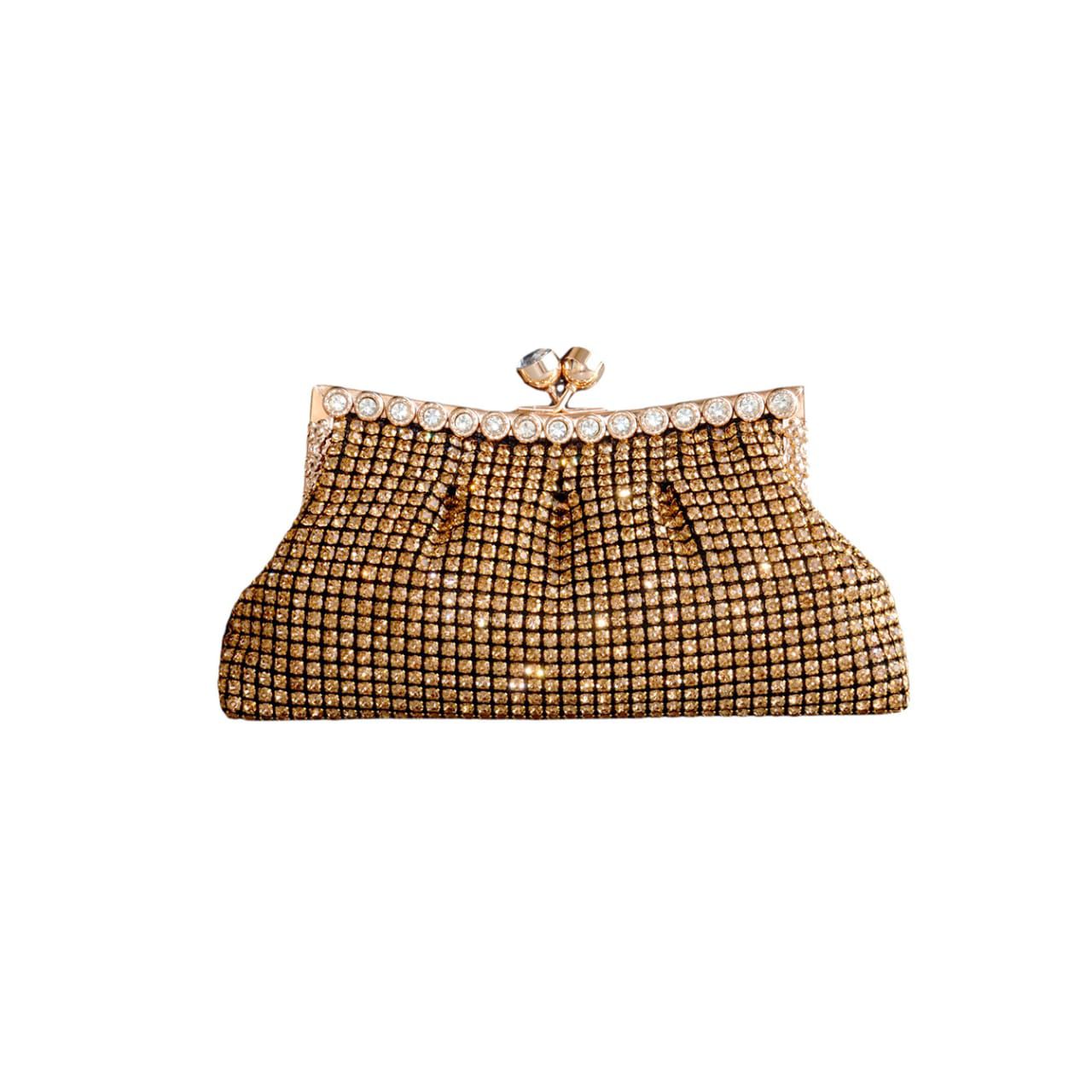
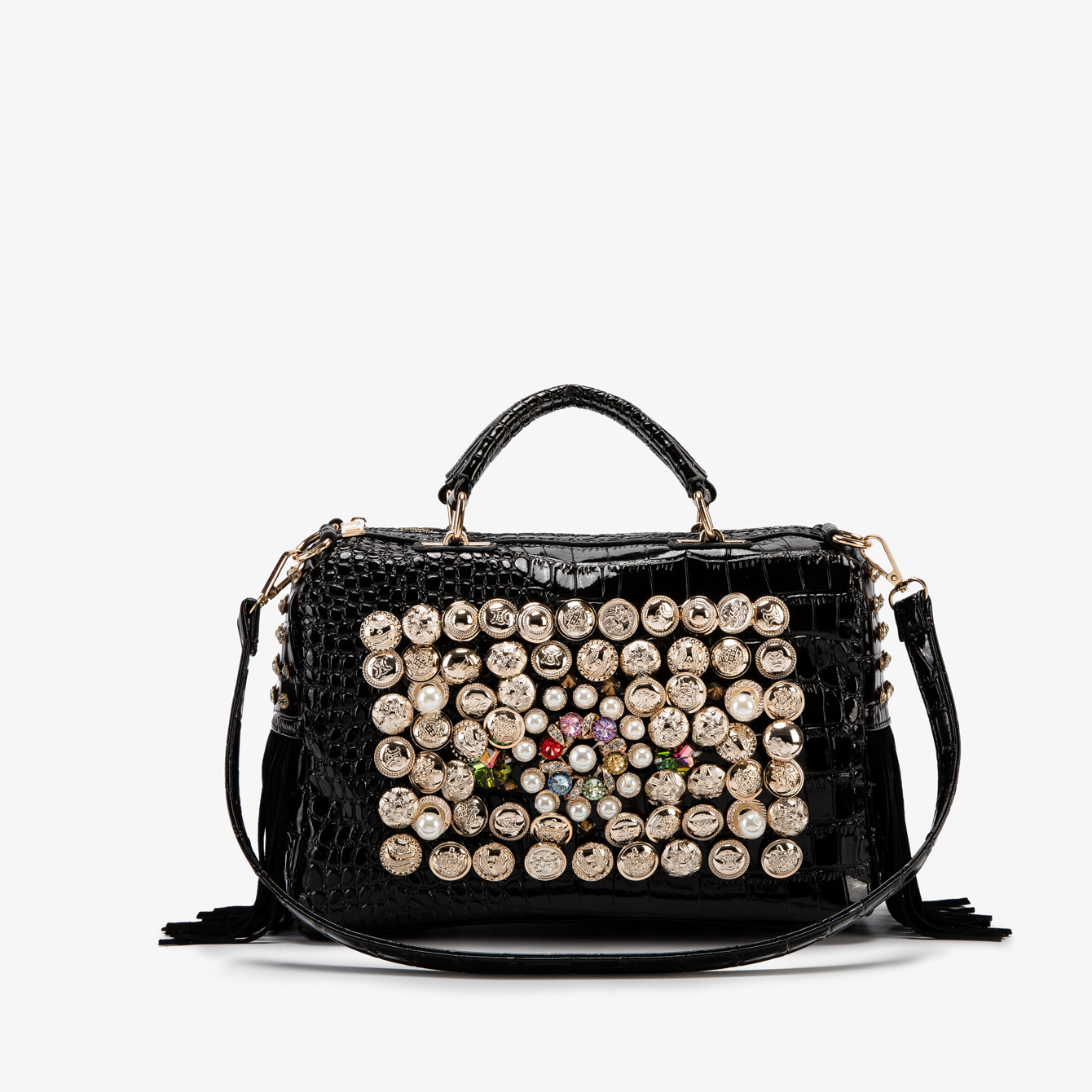
More Sourcing Guides
Which cert do I need for the EU?
REACH for chemical safety is the key one for bags sold in Europe.
What about selling in California?
California Prop 65 compliance for listed chemicals is expected.
Is ISO 9001 required?
Not legally, but it signals consistent quality management and helps B2B trust.
How do I verify a cert?
Ask for the report number and lab; cross-check with the issuer.
Do you provide compliance docs?
Yes, Jinman Bags shares available REACH, Prop 65, and quality certificates on request.
Buyer's decision brief: Bag supplier certifications
The practical question behind Bag supplier certifications is not 'who is cheapest' but 'who can hold consistency across repeat orders'. Bag manufacturing is labour-intensive: a tote with 40 seams and 12 hardware points has far more variance than a printed T-shirt. Before committing to a bulk run, order samples from at least two suppliers and compare them on stitch density (stitches per inch), edge paint evenness, hardware plating, and whether the lining matches what was quoted. These four details predict bulk quality better than any certificate.
Choosing where and how to source Bag supplier certifications comes down to four numbers: unit landed cost, minimum order, lead time, and defect tolerance. Most first-time buyers optimise only for unit price and get burned on the other three. A factory that quotes $3.90 instead of $4.30 but ships 4% defective stock has actually cost you more once returns, re-shipping and marketplace penalties are counted. Ask every supplier for their AQL inspection standard in writing before you place a deposit — AQL 2.5 on major defects is the industry norm for fashion bags shipped to the US and EU.
What buyers actually need from Bag supplier certifications
Pet carriers and pet accessory bags are bought by pet retailers and veterinary distributors, where ventilation, escape-proofing and cleanability matter more than style.
| Category specification | Typical range |
|---|---|
| Size classes | Small <5 kg · Medium 5–10 kg · Large 10–18 kg |
| Ventilation | Mesh on at least three panels |
| Base | Removable washable pad over a rigid board |
| Safety | Internal lead clip · lockable zip heads |
| MOQ | Custom 100 pcs · ready stock from 1 pc |
Specification points that decide quality
- Ventilation area should be specified as a percentage of the panel, not just "mesh window".
- Escape-proofing: internal clip, lockable zips and reinforced seams at stress points.
- Removable, washable base pad — this is what owners actually complain about.
- Weight rating must match the animal size claimed on the packaging.
Two checks before you approve bulk
- Load-test the base board and handles at twice the stated animal weight.
- Check mesh attachment strength by pulling firmly at several points.
Key parameters at a glance
| Typical MOQ | Custom: 100 pcs per style/colour · Ready stock: from 1 pc |
|---|---|
| Sampling time | 7–12 days after tech pack or reference sample is confirmed |
| Bulk lead time | 25–35 days for custom · 3–5 days dispatch for ready stock |
| Sea freight | US West Coast 18–25 days · US East Coast 28–35 days · EU 30–38 days |
| Air / express | Air 5–8 days · Courier (DHL/UPS/FedEx) 4–6 days door to door |
| Payment terms | T/T 30% deposit, 70% before shipment · L/C at sight for larger orders |
| Incoterms offered | EXW · FOB · CIF · DDP (door-to-door available to US & EU) |
| HS codes | 4202.21 / 4202.22 / 4202.29 (leather & other) · 4202.92 (textile) |
Mistakes buyers make with Bag supplier certifications
- Confirming a supplier only on price — always compare a physical sample side by side.
- Skipping the pre-production sample approval gate; bulk will follow whatever you signed off.
- Under-estimating freight: a bulky tote can cost more to ship than to manufacture.
- Not clarifying who owns the moulds and tooling for custom hardware before paying for them.
- Ordering one large shipment instead of splitting into two to limit exposure to a single defect batch.
Why source this from Jinman
Yiwu Jinman Bags runs both sides of the catalogue: ready stock that ships from one piece for buyers testing a market, and full OEM/ODM development from 100 pieces per style and colour. Sampling takes 7–12 days, bulk production 25–35 days, and every order ships against a written spec sheet with AQL 2.5 inspection as standard — 1.5 for first orders. Freight is available EXW, FOB, CIF or DDP door-to-door to the US and EU, with HS codes, REACH and Prop 65 documentation provided for your market.