Handbag Fabric & Material Guide for Wholesale Buyers: PU, Leather, Canvas & More
Published August 4, 2026 · By Jinman Bags Team
Choosing the right material is the single most impactful decision in handbag sourcing. It determines your cost structure, target market positioning, durability expectations, and brand identity. Whether you're launching a luxury leather line, a casual canvas collection, or an eco-friendly tote brand, understanding the landscape of bag materials — from standard PU to premium full-grain leather — is essential. This guide breaks down 7 major material categories with pricing benchmarks, durability notes, and practical usage recommendations for wholesale buyers.
1. PU Leather: The Versatile Workhorse
PU (polyurethane) leather accounts for an estimated 60-70% of all fashion handbags sold globally. It's affordable, available in unlimited colors and textures, and can be engineered for specific performance characteristics. However, not all PU is created equal — the grade matters enormously.
Standard PU Leather
Cost: $0.80-$2.50 per meter. The most economical option, standard PU is a fabric backing coated with polyurethane. It works well for fashion-forward seasonal bags where price sensitivity is high and lifespan expectations are 1-2 seasons. Typical thickness: 0.6-0.8mm. Common applications include fast-fashion totes, promotional bags, and budget crossbody styles. Standard PU has a peel strength of 8-12N and may show surface cracking after 6-12 months of regular use.
Microfiber PU (超纤PU)
Cost: $3.00-$6.00 per meter. A significant upgrade, microfiber PU uses a densely woven microfiber base instead of standard fabric. The result is dramatically better tear resistance (25-35N), a softer hand feel that closely mimics genuine leather, and 2-3x longer lifespan than standard PU. Microfiber PU is the preferred choice for mid-market brands targeting the $30-80 retail price bracket. It holds embossing and debossing well, making it excellent for logo-branded bags.
Water-Based PU (水性PU)
Cost: $4.00-$8.00 per meter. Water-based PU uses water as the solvent instead of DMF (dimethylformamide), making it the eco-friendlier PU option. It has virtually zero VOC emissions and meets stringent REACH and CA Prop 65 standards. The hand feel is superior to standard PU, with a natural matte finish that appeals to minimalist and sustainability-focused brands. Currently the fastest-growing PU category, with demand increasing 25-30% year-over-year in the European market.
2. Genuine Leather: Understanding the Grades
"Genuine leather" is a term that causes enormous confusion. Technically, it's a grade — and not the highest one. Here's what each grade actually means for bag production:
Full-Grain Leather
Cost: $40-$65 per hide (approximately 4.5-5 sq. ft. usable per bag). Full-grain uses the entire hide thickness with the natural grain intact. It's the most durable, most expensive, and develops a beautiful patina over time. Imperfections (scars, insect bites) are visible, which premium brands embrace as authenticity markers. Best for: heritage bags, luxury totes, and brands positioned above $150 retail. Per-bag material cost is approximately $12-18.
Top-Grain Leather
Cost: $25-$40 per hide. The top layer of the hide is sanded to remove imperfections, then a finish coat is applied. The result is a smoother, more uniform appearance than full-grain, with slightly less durability. It's more stain-resistant and easier to maintain. Best for: mid-premium structured handbags, office bags, and brands in the $60-120 retail range. Per-bag cost: $8-12.
Split Leather (二层皮)
Cost: $15-$25 per hide. After the top grain is removed, the remaining lower layer is split leather. It's weaker and less attractive in its natural state, so it's typically embossed with an artificial grain and coated with PU for appearance. Common in the $25-50 retail segment for bags labeled "genuine leather." Per-bag cost: $5-8. Durability is moderate — expect 1-3 years of regular use.
3. Canvas: Cotton Canvas vs. Waxed Canvas
Canvas has moved far beyond basic tote bags. With the rise of casual luxury and workwear-inspired fashion, canvas is now a legitimate premium material.
Cotton Canvas: Weight & Structure
Canvas weight is measured in ounces per square yard (oz/yd²) or grams per square meter (gsm). The relationship between weight and hand feel is direct:
- 8-10 oz (270-340 gsm): Lightweight, drapes well. Suitable for foldable totes, pouch bags, and lining. Cost: $1.50-2.50/m.
- 12-14 oz (400-475 gsm): Midweight, the sweet spot for structured totes and shoulder bags. Holds shape well without interfacing. Cost: $2.50-4.00/m.
- 16-18 oz (540-610 gsm): Heavyweight, very stiff. Used for workwear bags, tool totes, and bags requiring maximum durability. Cost: $3.50-5.50/m.
- 20+ oz (680+ gsm): Industrial grade, rarely used for fashion bags. Extremely rigid.
Waxed Canvas: Heritage & Water Resistance
Cost: $5.00-8.00 per meter. Waxed canvas is cotton canvas impregnated with a wax coating (traditionally paraffin, now often a beeswax-paraffin blend). It's naturally water-resistant, develops a patina with use, and carries a heritage aesthetic that commands premium retail prices ($80-200). Leading brands like Filson and Barbour have built their identities on waxed canvas. For B2B buyers, note that waxed canvas cannot be machine washed and requires specific care instructions on product tags.
4. Nylon: Lightweight Performance
Cost: $1.50-4.00 per meter for standard nylon, $6.00-12.00 per meter for ballistic nylon. Nylon is the material of choice for sporty, functional, and travel-oriented bags. Key properties:
- Denier rating is the critical spec: 210D-420D for lightweight packable bags, 600D-840D for everyday bags, and 1000D-1680D ballistic nylon for heavy-duty luggage and premium travel bags.
- Water resistance is excellent — nylon can be coated with PU or silicone for enhanced waterproofing. A PU-coated 400D nylon achieves a water column rating of 1,500-3,000mm.
- Weight savings: A nylon tote weighs 40-60% less than an equivalent leather bag, making it ideal for travel and everyday carry markets.
- Printability: Nylon accepts sublimation printing exceptionally well, enabling all-over graphic designs that are difficult on leather or PU.
The dominant fashion trend driving nylon demand is athleisure and sport-luxe, led by brands like Prada (re-nylon), Longchamp (Le Pliage), and Lululemon. For wholesale buyers targeting the $30-80 casual segment, nylon offers some of the best quality-to-cost ratios in the bag industry.
5. Straw & Raffia: Seasonal Statement Materials
Cost: $2.00-6.00 per bag (labor-dominant). Straw and raffia bags have exploded in popularity, driven by resort wear, summer collections, and the "quiet luxury" aesthetic championed by brands like Loewe and Bottega Veneta.
Material Types
- Raffia (拉菲草): Made from palm tree leaves, raffia is soft, pliable, and dyes beautifully. It's the most premium straw option, costing $4-6 per meter of woven sheet. Raffia bags are typically hand-woven, so labor is the dominant cost.
- Seagrass (水草): Thicker and more rigid than raffia. Very durable, natural beige-tan color, popular for beach totes and market baskets. Cost: $2-4 per meter.
- Paper straw / Toyo: Paper twisted into straw-like strands, often coated for water resistance. Lightweight and available in many colors. Most affordable straw option at $1.50-3.00 per meter.
- Bamboo handles & accents: Often paired with straw bags, bamboo handles add a natural, artisanal touch. Custom-shaped bamboo handles require a mold fee of $80-150.
Sourcing tip: Straw bag production is highly seasonal. Place orders by October-November for delivery by February-March to catch the spring/summer retail window. Lead times extend by 30-40% during peak season (December-February).
6. Eco-Friendly Materials: rPET, Vegan Leather & More
The sustainable materials segment is growing at 8-12% annually and now represents a significant wholesale opportunity. Key options:
- rPET (Recycled Polyester): Made from post-consumer plastic bottles. Each meter of rPET fabric uses approximately 8-12 recycled bottles. Cost: $2.00-4.00/m (10-20% premium over virgin polyester). GRS (Global Recycled Standard) certified options available.
- Plant-Based Vegan Leathers: Materials derived from pineapple leaf fiber (Piñatex), apple peels, cactus (Desserto), and mushroom mycelium (Mylo). Costs are high at $15-40/m, but the brand differentiation value for eco-luxury positioning is substantial.
- Organic Cotton Canvas: GOTS-certified organic cotton for brands demanding full supply chain transparency. Cost: $4.00-7.00/m, approximately 20-30% more than conventional cotton canvas.
- Cork Fabric: Harvested from cork oak bark without harming trees. Naturally water-resistant, lightweight, and unique texture. Cost: $12-20/m.
Regulatory note: For bags sold in the EU, ensure materials comply with REACH regulations (EC 1907/2006). For the California market, Proposition 65 compliance is mandatory. Request material certification documents from your supplier — a reputable factory will provide these without hesitation.
7. Material Selection Decision Matrix
Use this quick-reference matrix to match materials to your business requirements:
By Budget (Wholesale Cost Per Bag)
- Under $5/bag: Standard PU, 10-12 oz cotton canvas, paper straw — suitable for promotional products and budget retail.
- $5-12/bag: Microfiber PU, 14-16 oz cotton canvas, 210D-420D nylon — mainstream mid-market sweet spot.
- $12-25/bag: Water-based PU, waxed canvas, top-grain leather, 600D-840D nylon — premium mid-to-upper segment.
- $25+/bag: Full-grain leather, rPET with GRS certification, plant-based vegan leather, 1000D+ ballistic nylon — luxury and high-performance.
By Target Market
- North America / Europe (premium): Full-grain or top-grain leather, water-based PU, GRS-certified rPET, waxed canvas. Emphasize certifications and durability.
- Middle East / Southeast Asia (value-conscious): Microfiber PU, midweight canvas, standard nylon. Emphasize design variety and color options.
- Resort / Cruise / Summer seasonal: Raffia, seagrass, lightweight canvas, 210D nylon. Order early for February delivery.
- Eco-conscious / Sustainability-first: Water-based PU, rPET, organic cotton canvas, cork. Require and display certifications prominently.
By Bag Category
- Tote bags: All materials work. Canvas and nylon for everyday, leather and PU for work/office, straw for beach/resort. Explore our tote collection for material examples across price points.
- Crossbody bags: PU and leather dominate. Hardware quality (zippers, clasps) matters as much as the body material.
- Shoulder bags: PU, leather, and microfiber for structure; nylon for casual silhouettes.
- Backpacks: Nylon and canvas for function; leather for fashion. Water-resistant coating highly recommended.
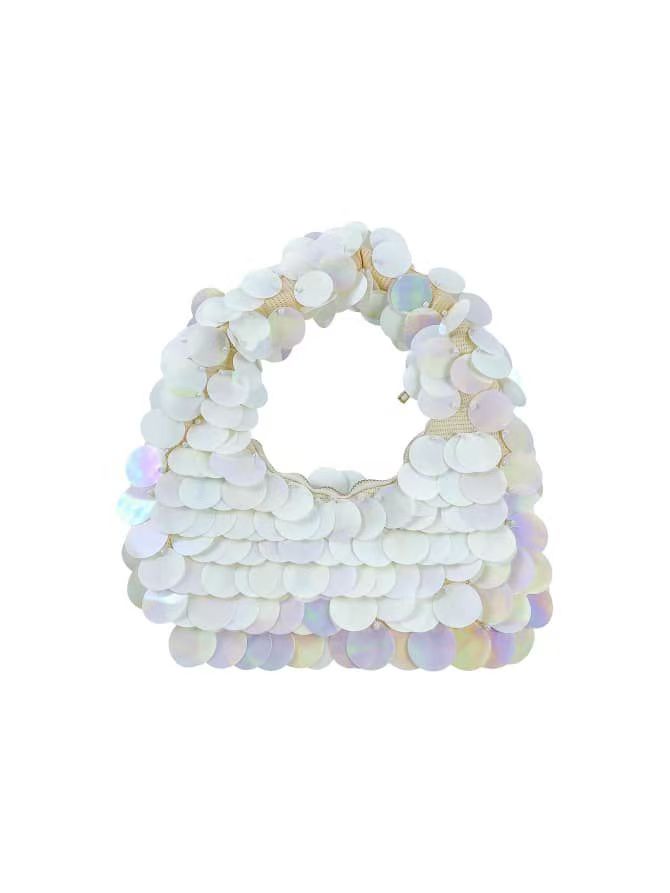
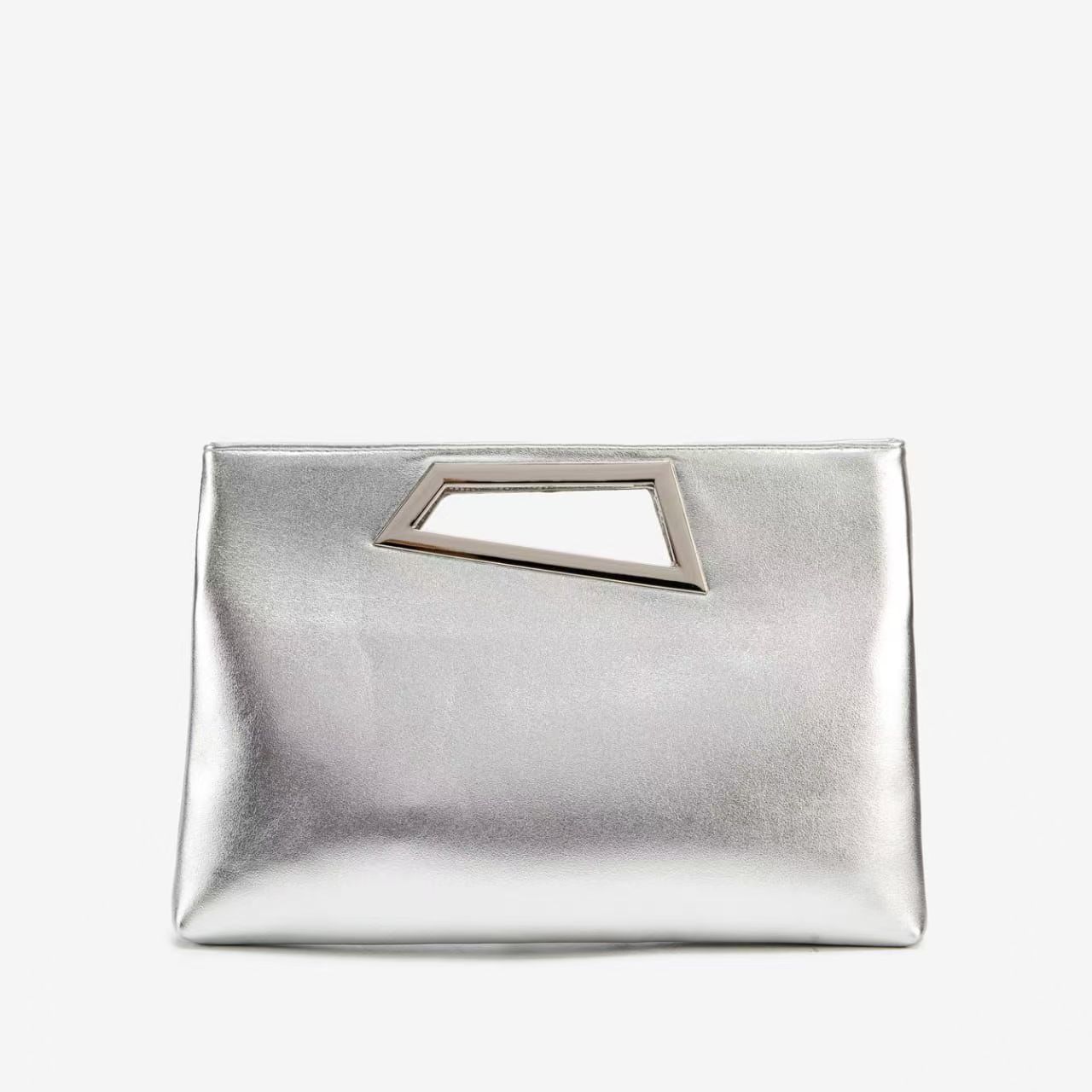
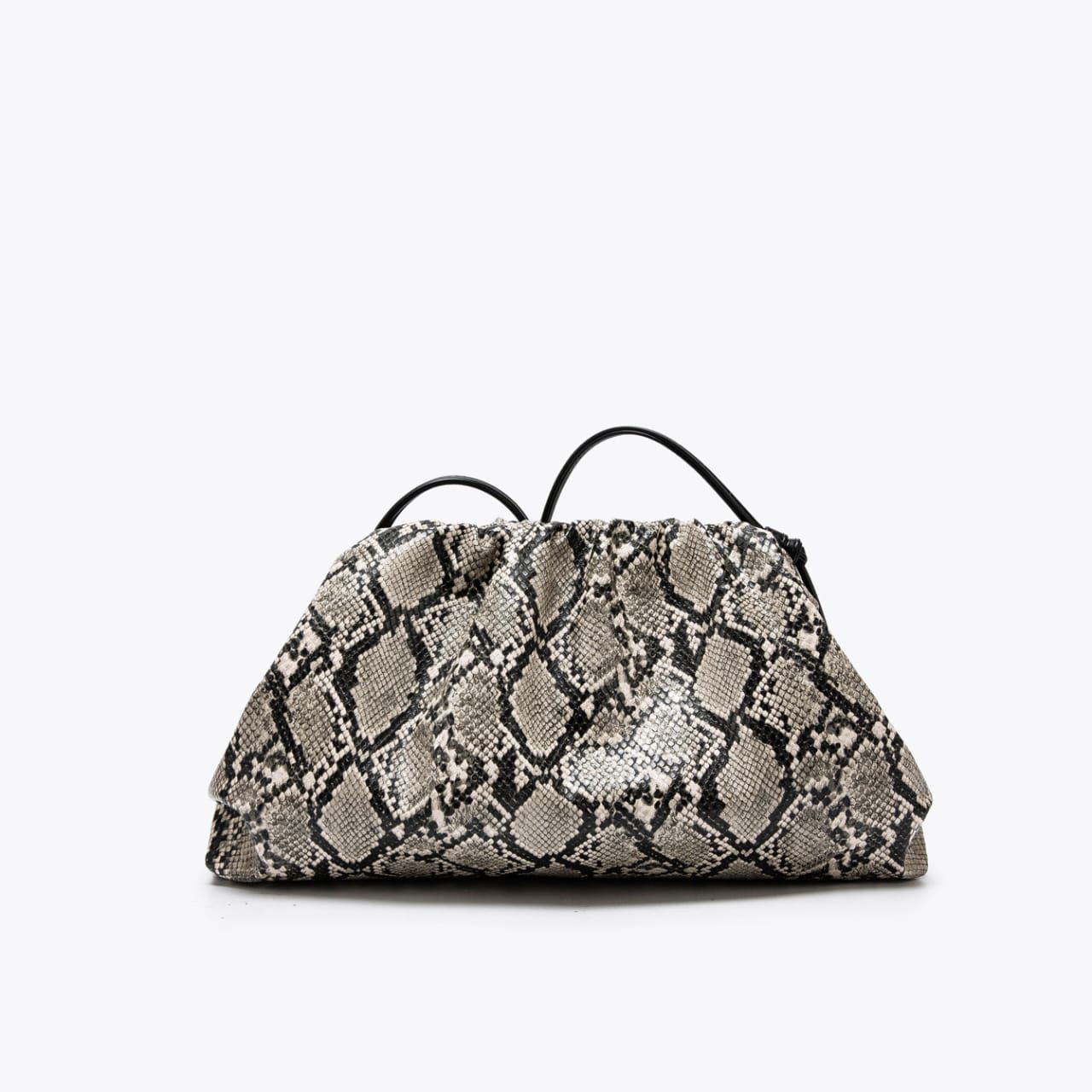
- Clutches & evening: Satin, velvet, metallic PU, and croc-embossed leather. Material cost is secondary to visual impact.
Making Your Material Decision
The best material choice balances three factors: your target retail price, your brand identity, and your market's regulatory requirements. Start with the price first — it determines which material tier is viable — then refine within that tier based on aesthetics and performance. Always request material swatches before committing to bulk, and verify certifications if you're marketing eco-friendly claims.
At Jinman Bags, we maintain a comprehensive material library covering 200+ PU textures, 50+ leather options, and 30+ eco-certified materials. Our team helps brand owners navigate material selection with practical cost-benefit analysis — not just catalog listings. Browse our full product range to see how different materials perform across bag categories, or reach out for a personalized material consultation.