Cross-Border B2B Bag Sourcing Trends 2026: What Wholesale Buyers Need to Know
Published August 4, 2026 · By Jinman Bags Team
The global B2B bag sourcing landscape is reshaping at an unprecedented pace. Driven by direct-from-factory procurement, social-media-informed product selection, and a shift toward smaller, more frequent orders, wholesale buyers in 2026 operate in a fundamentally different environment than even two years ago. This guide maps the key trends defining cross-border bag sourcing this year — from hot product categories to regional market differentiation, evolving buyer strategies, and the supply chain resilience measures that separate thriving importers from struggling ones.
The Global B2B Sourcing Landscape: Key Shifts
Three structural forces are reshaping how the world sources bags in 2026:
- Direct-from-China acceleration: Global cross-border B2B e-commerce for fashion accessories grew an estimated 18-22% year-over-year, with platforms like Alibaba.com and Made-in-China.com facilitating direct factory-to-buyer connections. The traditional multi-layer distributor model is being compressed.
- Disintermediation of trading companies: Buyers increasingly bypass middlemen and work directly with manufacturers — or with hybrid factory-trading companies like Jinman Bags that offer both manufacturing capability and export service. This compresses the supply chain by 1-2 intermediary layers, typically reducing unit cost by 15-30%.
- Data-driven product selection: Buyers no longer rely solely on trade show visits and catalog browsing. Social commerce signals — TikTok Shop trending products, Instagram hashtag volume, Pinterest search trends — now inform B2B purchasing decisions, with some buyers placing factory orders within 72 hours of identifying a viral product.
2026 Hot Product Categories: What Buyers Are Ordering
Based on order data from our factory and cross-referenced with industry trade reports, four bag categories are dominating B2B purchase orders in 2026:
1. Mini Bags and Micro Crossbody Bags
The "small bag" trend continues with full force. Mini bags (under 18cm width) and micro crossbody bags account for an estimated 28-35% of fashion handbag B2B orders this year. Wholesale prices range from $3.50-$8.00 for PU mini bags and $8-$18 for leather versions, with retail price points of $25-$65 and $60-$150 respectively. The margin profile is exceptional — often 5x to 8x markup — making mini bags the highest-ROI category for boutique and online retailers.
2. Sustainable and Recycled-Material Bags
Bags made from GRS-certified recycled PET (rPET), vegan apple leather, and cactus-based materials have moved from niche to mainstream. European buyers in particular now explicitly request sustainability certifications in over 60% of RFQs we receive. Wholesale pricing for rPET totes and shoppers ranges from $5-$12 — only marginally above conventional polyester — making this an accessible category for buyers at any scale. See our eco-friendly bags wholesale guide for category deep-dive.
3. Multi-Function Commuter and Work Bags
The hybrid work era has created sustained demand for bags that transition seamlessly between office, commute, and weekend use. Features driving orders: padded laptop compartments (13-16 inch), trolley pass-through straps for luggage handles, anti-theft zippers, and convertible strap systems (backpack-to-tote transformation). Wholesale pricing for PU commuter totes: $8-$16; full-grain leather versions: $22-$45. North American buyers account for the majority of orders in this category.
4. Resort and Natural Fiber Bags
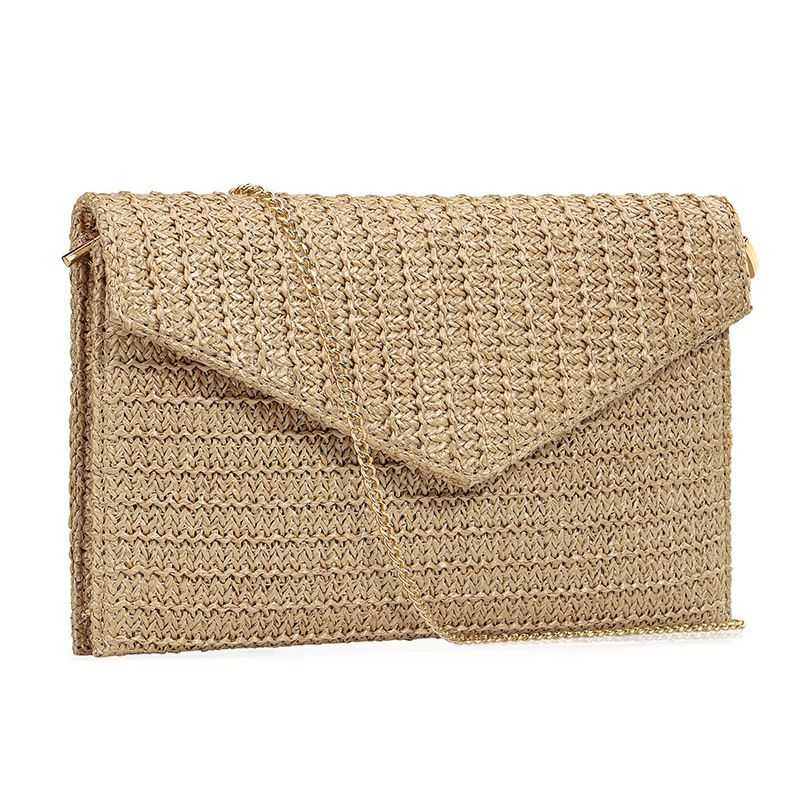
Raffia totes, straw crossbody bags, and jute shoppers are no longer just a summer phenomenon — they have become year-round staples in tropical and resort markets. Wholesale prices remain highly accessible ($4-$12 per bag), with retail markups of 6x-10x. The resort market in Southeast Asia, the Caribbean, and the Mediterranean drives consistent reorders. Lead times are longer for natural fiber bags (hand-woven production), so order 8-10 weeks ahead of your selling season.
Regional Market Differentiation: One World, Four Buying Cultures
Successful cross-border sourcing requires understanding that the same bag does not sell equally in every market. Regional aesthetics, functional needs, and price sensitivity vary dramatically. Here is what our order data reveals about regional preferences:
North America: Big, Practical, Casual
- Top styles: Large-capacity totes (40cm+), structured satchels, athleisure-inspired crossbody bags, backpack purses
- Material preference: Full-grain and split leather for premium lines; high-quality PU for mid-market; performance nylon for sport-casual
- Color palette: Neutral earth tones (tan, cognac, black, cream) dominate; seasonal accents in burgundy and forest green
- Price sensitivity: Wholesale target $10-$25 for PU bags, $25-$60 for leather. Retail price points $40-$200
- Key insight: Function-first buyers. North American consumers carry more daily items (laptops, water bottles, cosmetics organizers), so capacity and compartment design matter as much as aesthetics.
Europe: Refined, Sustainable, Minimalist
- Top styles: Mini and micro bags, structured top-handle bags, sleek crossbody bags, quiet-luxury unbranded designs
- Material preference: Strong preference for certified sustainable materials — rPET, vegan leather, apple skin. Genuine leather for premium positioning but must have REACH compliance documentation
- Color palette: Monochromatic — black, taupe, espresso, ivory. Minimal hardware. Matte finishes over glossy.
- Price sensitivity: Wholesale target $6-$18 for sustainable PU, $18-$50 for leather. European buyers are willing to pay a 10-20% premium for verifiable sustainability credentials.
- Key insight: Aesthetics and ethics are inseparable. European buyers want quiet luxury — no prominent logos, no flashy hardware — paired with transparent supply chain documentation.
Middle East: Opulent, Embellished, Statement-Making
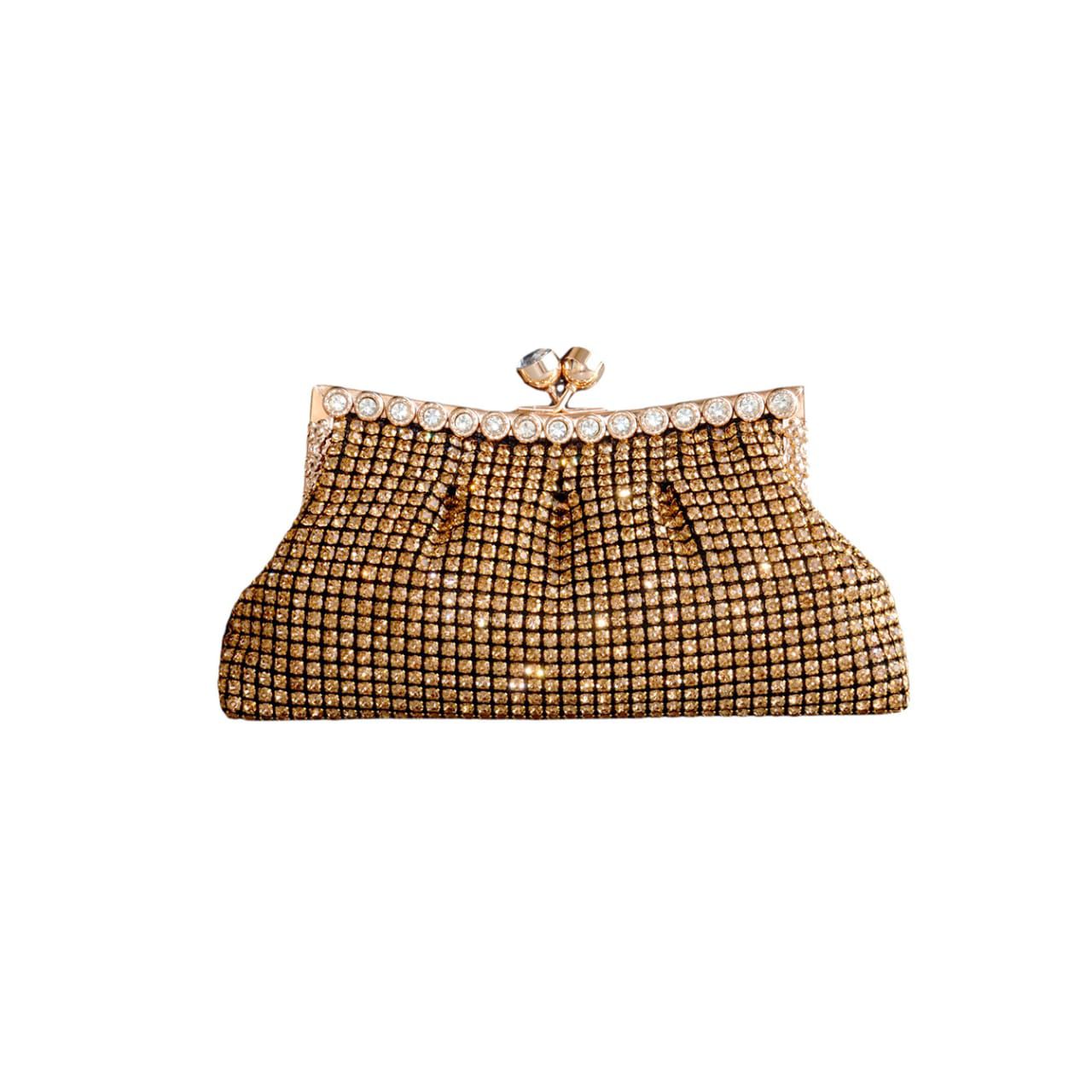
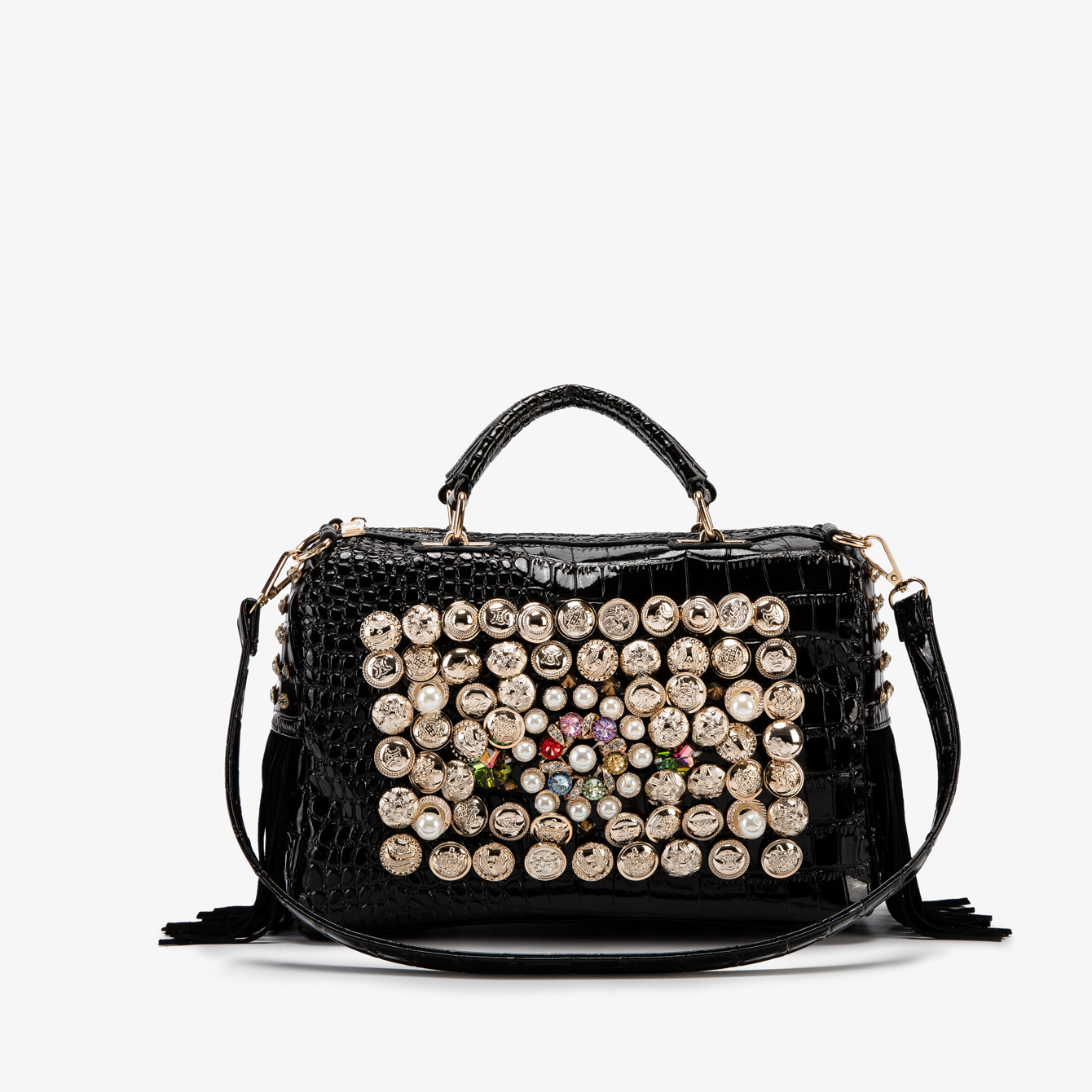
- Top styles: Embellished evening bags, structured box bags, gold-accented shoulder bags, ornate minaudières
- Material preference: Premium PU with gold and rose-gold hardware, satin and velvet for evening bags, genuine leather for day bags with decorative metalwork
- Color palette: Rich jewel tones (emerald, sapphire, burgundy), gold, black with metallic accents, ivory and champagne
- Price sensitivity: Higher tolerance for premium pricing. Wholesale target $12-$30 for PU, $30-$80 for leather. Retail price points $80-$400+
- Key insight: Visual impact drives purchasing. Middle Eastern buyers prioritize embellishment quality — chain straps, crystal details, quilting, metallic foil prints. Packaging (dust bags, gift boxes) is equally important.
Southeast Asia: Lightweight, Practical, Weather-Resistant
- Top styles: Lightweight nylon crossbody bags, compact backpacks, water-resistant totes, foldable shopper bags
- Material preference: Waterproof and water-resistant materials are non-negotiable — nylon, polyester with DWR coating, PU-coated fabrics. Climate demands moisture-resistant construction.
- Color palette: Bright and playful for fashion lines (coral, turquoise, yellow); practical neutrals for functional lines. Seasonal variety is high.
- Price sensitivity: Highly price-competitive market. Wholesale target $3-$8 for nylon bags, $5-$12 for PU. Volume-driven orders with lower per-unit margins.
- Key insight: Climate-appropriate design wins. Bags that absorb water, fade in sun, or trap humidity are rejected. Specify quick-dry linings, rust-resistant zippers, and UV-stable dyes.
Buyer Strategy Upgrades: How Procurement Is Evolving
Beyond product selection, the process of how wholesale buyers procure bags is transforming. Three strategic shifts stand out:
- Small-batch, high-frequency replenishment: Instead of two massive seasonal orders (spring/fall), buyers are shifting to monthly or bi-weekly reorder cycles with smaller quantities (100-300 units per style). This reduces inventory risk, aligns stock with real-time demand signals, and enables faster trend response. Factories that accommodate low MOQ (50-200 units) are winning these buyers. See our small MOQ manufacturing guide for details.
- Seasonal quick-response (fast fashion for B2B): Buyers compress their development-to-shelf timeline from the traditional 4-6 months to 6-10 weeks. This requires factories with rapid prototyping capability (3D sampling, 48-hour sample turnaround) and flexible production scheduling. The winners in 2026 are factories that can produce a 300-unit test order in 15-20 days from design confirmation.
- Social-media-data-driven selection: Forward-thinking buyers now use TikTok Shop sales data, Instagram engagement metrics, and Pinterest trend reports to identify emerging bag styles before placing factory orders. Tools like Trendalytics, WGSN, and even free tools like Google Trends and TikTok Creative Center provide quantitative backing for product decisions — replacing gut-feel with data. The most sophisticated buyers place test orders within 2 weeks of spotting a trend, then scale the winners.
1688 and Yiwu Sourcing: Advantages and Watch-Outs
Two sourcing channels dominate Chinese bag procurement for international buyers: 1688.com (Alibaba's domestic B2B platform) and the Yiwu International Trade City. Each has distinct advantages and pitfalls.
1688.com: The Digital Wholesale Marketplace
- Advantage: Massive product variety — over 500,000 bag SKUs available. Low minimums (often 1-5 cartons). Transparent pricing. Ideal for trend-spotting and small-batch testing.
- Watch-out: Most sellers are trading companies or small workshops, not factories. Quality consistency is the #1 risk — the same listing from different suppliers can vary dramatically. Always request a physical sample before bulk order.
- Watch-out: Language barrier — the platform is entirely in Chinese. Buyers need a sourcing agent or translation tools. Payment and export logistics must be arranged separately (1688 does not handle international shipping).
- Best for: Trend testing, small-batch orders, and buyers with a China-based sourcing agent.
Yiwu International Trade City: The Physical Sourcing Hub
- Advantage: Physical product inspection — you see and touch products before ordering. Over 3,000 bag stalls under one roof. Immediate negotiation. Combined shipping across multiple suppliers through a single freight forwarder.
- Advantage: Yiwu's hybrid factory-trading company model (like Jinman Bags) means you get factory pricing with export-service convenience — English communication, quality control, consolidated shipping, and documentation handling.
- Watch-out: Stall prices include a markup — you are not buying factory-direct at every stall. For the best prices, identify the stall, then visit or contact the actual factory behind it for volume orders.
- Watch-out: Quality varies enormously stall-to-stall. Always request pre-shipment QC photos and an inspection report before paying the balance.
- Best for: Buyers doing multi-category sourcing, first-time China visitors, and those who want consolidated small-batch orders from multiple suppliers. See our complete Yiwu sourcing guide.
Supply Chain Resilience: Building a Robust Sourcing Strategy
The supply chain disruptions of the early 2020s permanently changed how B2B buyers approach risk. In 2026, resilience is no longer a contingency plan — it is a core procurement strategy. Two practices define resilient buyers:
- Multi-supplier strategy (China+1 or China+2): Over 45% of mid-to-large B2B buyers now maintain relationships with at least two bag suppliers in different regions — typically one primary factory in China (for cost and scale) and a secondary supplier in Vietnam, Cambodia, or India (for geopolitical risk mitigation). The secondary supplier typically handles 15-30% of order volume to keep the relationship active. This ensures continuity if one country faces port closures, tariffs, or political instability.
- Safety stock model: Rather than just-in-time inventory, buyers are maintaining 4-8 weeks of safety stock on core products. The carrying cost (estimated at 2-4% of inventory value per month) is treated as an insurance premium against stockouts. For products with long lead times (natural fiber bags, custom OEM designs), 8-12 weeks of safety stock is increasingly standard.
- Supplier qualification depth: Resilient buyers don't just vet a supplier's price and samples — they audit factory capacity, financial health, quality systems (ISO 9001), and social compliance (BSCI, Sedex). A factory that passes all four checkpoints is far less likely to cause a supply chain failure.
- Diversified logistics routes: Beyond supplier diversification, resilient buyers diversify shipping routes — splitting orders between ocean freight (cost-effective, 25-35 days) and air freight or rail (faster, 7-15 days, 3-5x cost) for time-sensitive or high-margin products. Some buyers maintain relationships with 2-3 freight forwarders to ensure capacity during peak season.
Actionable Takeaways for 2026 B2B Buyers
- Diversify your product mix across the four hot categories (mini bags, sustainable materials, multi-function commuter, resort natural fiber) rather than over-indexing on one trend.
- Tailor your assortment by region — do not ship the same catalog to North America and Southeast Asia. Customize materials, colors, and features for each market's preferences.
- Shift to small-batch, high-frequency ordering to reduce inventory risk and improve trend responsiveness. Choose factory partners with flexible MOQ (50-200 units).
- Use social commerce data (TikTok, Instagram, Pinterest) as a leading indicator for product selection. Move from trend identification to test order in under 2 weeks.
- Build a multi-supplier network with at least one China factory (primary) and one alternative-country supplier (secondary, 15-30% volume).
- Maintain 4-8 weeks of safety stock on core SKUs to buffer against supply chain disruptions.
- Visit Yiwu or use a trusted Yiwu-based factory-trading partner to combine the cost advantage of factory-direct sourcing with the convenience of export service.
The buyers who will thrive in 2026 are those who treat sourcing as a dynamic, data-informed, risk-managed discipline — not a static annual procurement exercise. At Jinman Bags, we support this evolution with flexible MOQ manufacturing, rapid sampling, multi-material capability, and full export documentation service. Request a quote or reach out via WhatsApp to discuss your 2026 sourcing strategy.