Rush Bag Production for Christmas & Peak Season: How to Beat the Clock
Published: August 15, 2026 | 6 min read
Q4 is the busiest time for bag factories. A rush order is possible, but timing and preparation decide success. Here is how to beat the clock for peak-season production.
Know the Cut-Off Dates
For sea arrival before Christmas to the US, place orders by early October. For air, late October can still work. After early November, only express or local stock saves you. Jinman Bags publishes seasonal cut-offs each year - ask early.
Expedited Options
- Rush fee to jump the production queue (capacity permitting).
- Air or express shipping instead of sea.
- Stock designs branded fast instead of new developments.
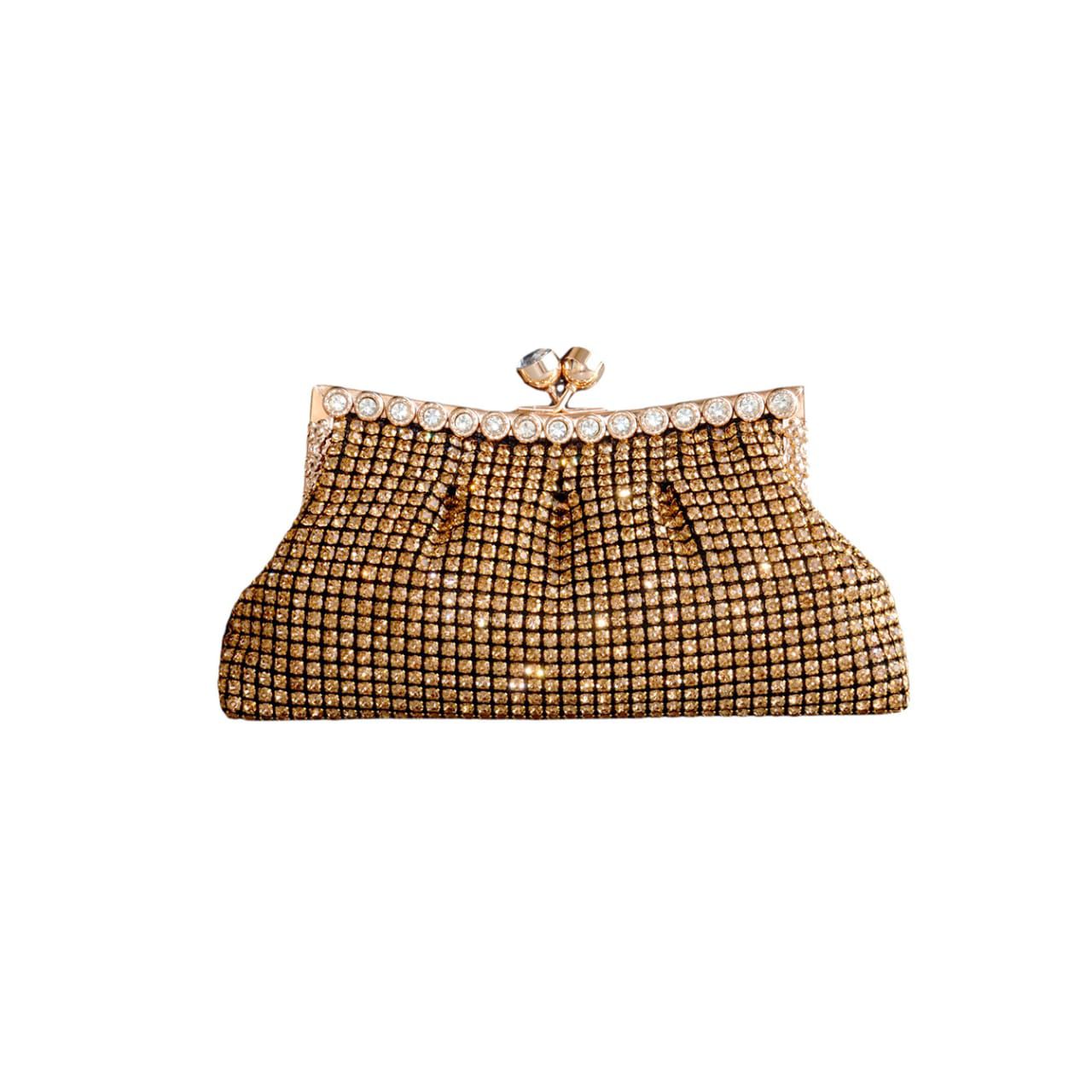
A fast win: Celeste Rhinestone Clutch for gifting season.
Risks to Manage
- Higher unit and freight cost during peak.
- Tighter QC windows - keep inspection discipline.
- Material shortages on popular trims; confirm stock early.
Pre-book capacity with a forecast, then confirm quantities as orders come in. Our quote tool scopes rush feasibility.
Plan Backward
Work from your on-shelf date, subtract shipping and production, and add a one-week buffer. Buyers who plan by September avoid the November panic.
Get a Free Quote & Digital Mockup
MOQ from 50 pieces per style | Free digital mockup | Samples in 7 days
Related Wholesale Tote Bags You Can Customize
More Sourcing Guides
Frequently Asked Questions
Related Wholesale Tote Bags You Can Customize
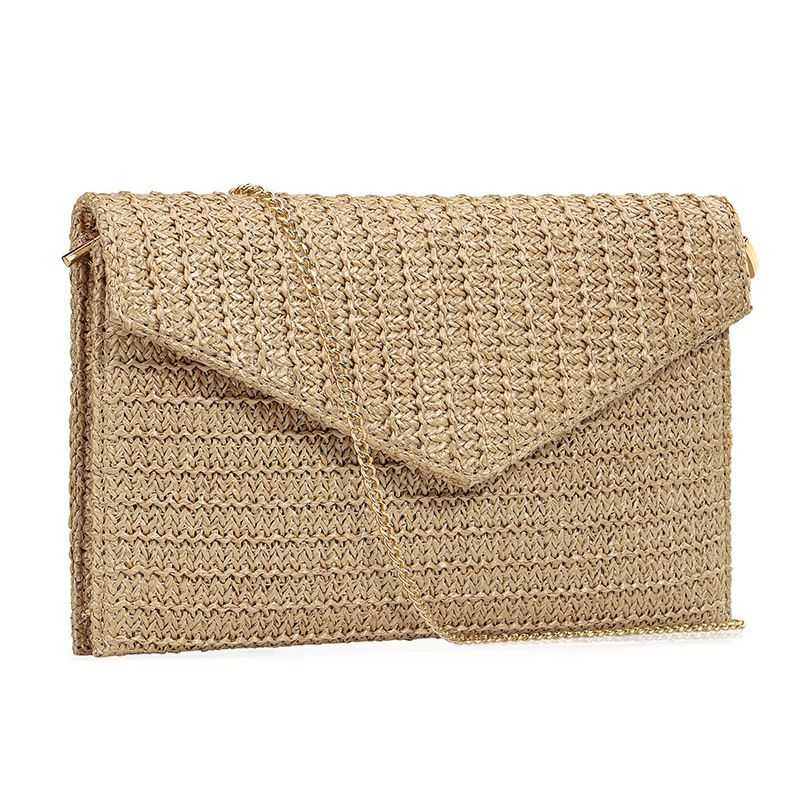
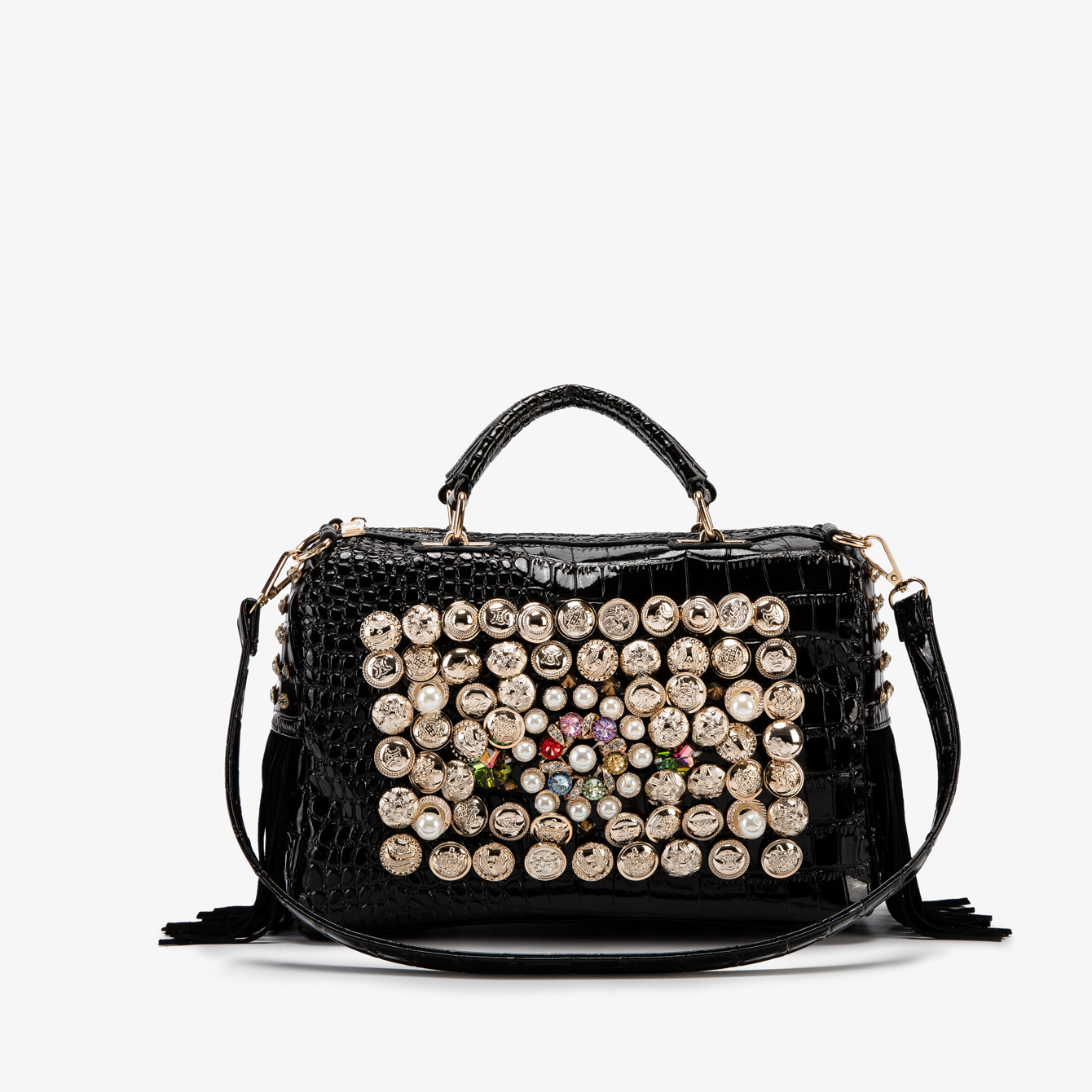
More Sourcing Guides
When is the Christmas cut-off for sea shipping?
Place by early October for US pre-Christmas sea arrival.
Can I rush a bag order in November?
Only via air or express, and capacity is tight - costs rise.
Does rush production cost more?
Yes, both a rush fee and faster freight add cost.
How do I secure peak capacity?
Forecast early and pre-book; confirm quantities as sales confirm.
Should I use stock designs in Q4?
Yes, branding stock designs is far faster than new development near holidays.
Buyer's decision brief: Rush bag production christmas
Quality in Rush bag production christmas is decided long before the final inspection. The three gates that actually matter are material inspection when fabric and hardware arrive, in-process checking during sewing (when a defect is still cheap to fix), and a final AQL inspection before packing. A factory that only offers a final check is telling you it will find problems after they are built into every unit rather than while there is still time to correct them.
Understanding AQL makes you a better buyer. AQL 2.5 for major defects means that in a standard random sample, roughly 2.5% of units may fail before the batch is rejected — it is a statistical threshold, not a promise of perfection. For a first order with a new supplier, ask for AQL 1.5 on major defects and pay for a third-party inspection. For a fifth repeat order with a proven line, AQL 2.5 with in-house reporting is usually sufficient.
What buyers actually need from Rush bag production christmas
Gift, event and promotional bags are bought against a fixed date and judged on presentation. That moves the priority from long-term durability to clean branding, colour consistency across the run and packaging that looks finished on arrival.
| Category specification | Typical range |
|---|---|
| Formats | Drawstring pouch · jute/cotton tote · organza · kraft · velvet |
| Branding | Screen print · foil stamp · heat transfer · woven label |
| Lead time | Sampling 5–8 days · bulk 15–25 days |
| Packing | Bulk polybag · individual opp bag · gift box |
| MOQ | Custom 100–500 pcs · ready stock from 1 pc |
Specification points that decide quality
- Artwork format and print method must be confirmed against the fabric before quoting.
- Colour consistency across the whole run; re-runs rarely match the original dye lot.
- Presentation packaging is part of the product in gifting, not an optional extra.
- Build the schedule backwards from the event date — timing, not quality, is the usual failure.
Two checks before you approve bulk
- Approve a physical printed sample, not a digital mockup, before bulk.
- Check colour under the lighting the items will actually be handed out in.
Key parameters at a glance
| Stage | What is checked · When |
|---|---|
| Material inspection | Fabric shade, thickness, coating, hardware plating, colour fastness · On arrival |
| Cutting | Panel accuracy, direction of pattern/nap, defects in hides · Pre-sewing |
| In-process sewing | Stitch density, seam allowance, alignment, edge paint · During production |
| Hardware assembly | Attachment strength, plating, closure function, logo position · Mid-production |
| Final AQL inspection | Dimensions, appearance, function, packing · Pre-shipment |
| Typical standard | AQL 2.5 major / 4.0 minor · AQL 1.5 for first orders |
| Common tests | Tensile · abrasion · zipper cycle · colour fastness · salt spray on hardware |
Mistakes buyers make with Rush bag production christmas
- Approving a golden sample and then never referencing it again during production.
- Inspecting only finished goods — by then every unit carries the same defect.
- Not specifying stitch density; loose stitching is the number one cause of returns.
- Skipping a drop test on handles and straps, which fail under real load.
Why source this from Jinman
Yiwu Jinman Bags runs both sides of the catalogue: ready stock that ships from one piece for buyers testing a market, and full OEM/ODM development from 100 pieces per style and colour. Sampling takes 7–12 days, bulk production 25–35 days, and every order ships against a written spec sheet with AQL 2.5 inspection as standard — 1.5 for first orders. Freight is available EXW, FOB, CIF or DDP door-to-door to the US and EU, with HS codes, REACH and Prop 65 documentation provided for your market.