Nylon vs Polyester Backpacks: Which Fabric Should You Choose
Published: August 15, 2026 | 6 min read
Nylon and polyester are the two workhorse fabrics for backpacks. Both are synthetic, but they behave differently. Here is how to choose for your wholesale backpack line.
Side-by-Side Comparison
| Property | Nylon | Polyester |
|---|---|---|
| Durability | Higher (abrasion resistant) | Good |
| Water resistance | Better (naturally) | Needs coating |
| Weight | Lighter | Slightly heavier |
| Cost | Higher | Lower |
| Printability | Harder | Easier, vibrant |
Which Should You Pick?
- Nylon for premium, lightweight, water-resistant commuter and travel packs (e.g., our Harper City Backpack).
- Polyester for colorful, budget-friendly school and promo packs where print pop matters.
Denier and Eco Options
Check denier (D) - 420D-600D is standard; 1000D+ for rugged use. Both fabrics also come in recycled rPET, which our Mila Urban Backpack supports for sustainable lines.
Quick Rule
Want toughness and weather resistance at a higher price - nylon. Want color, cost, and easy printing - polyester. Either way, sample both before bulk.
Get a Free Quote & Digital Mockup
MOQ from 50 pieces per style | Free digital mockup | Samples in 7 days
Related Wholesale Backpacks You Can Customize
More Sourcing Guides
Frequently Asked Questions
Related Wholesale Backpacks You Can Customize
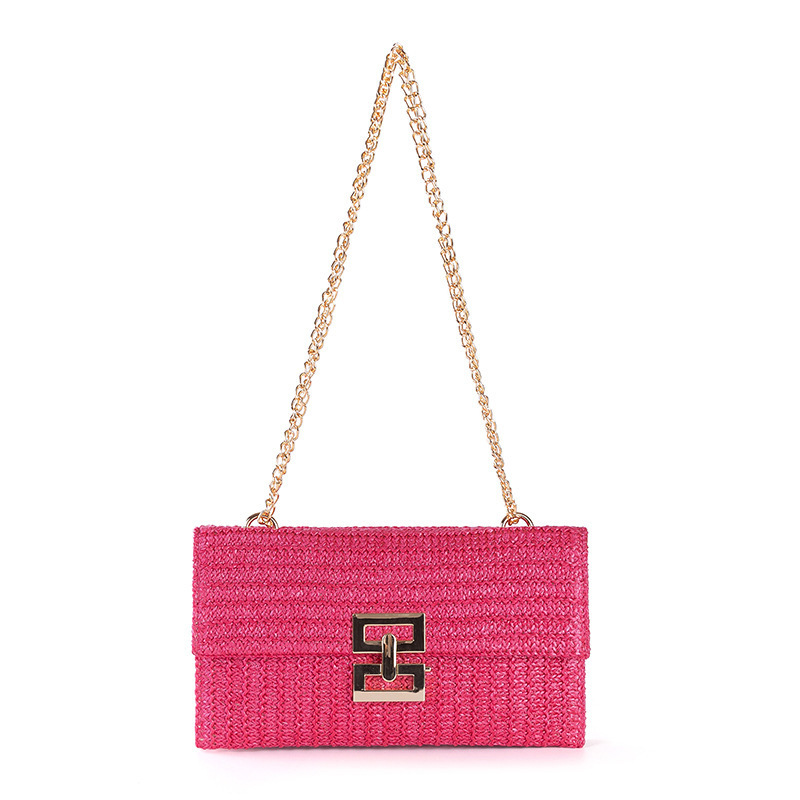
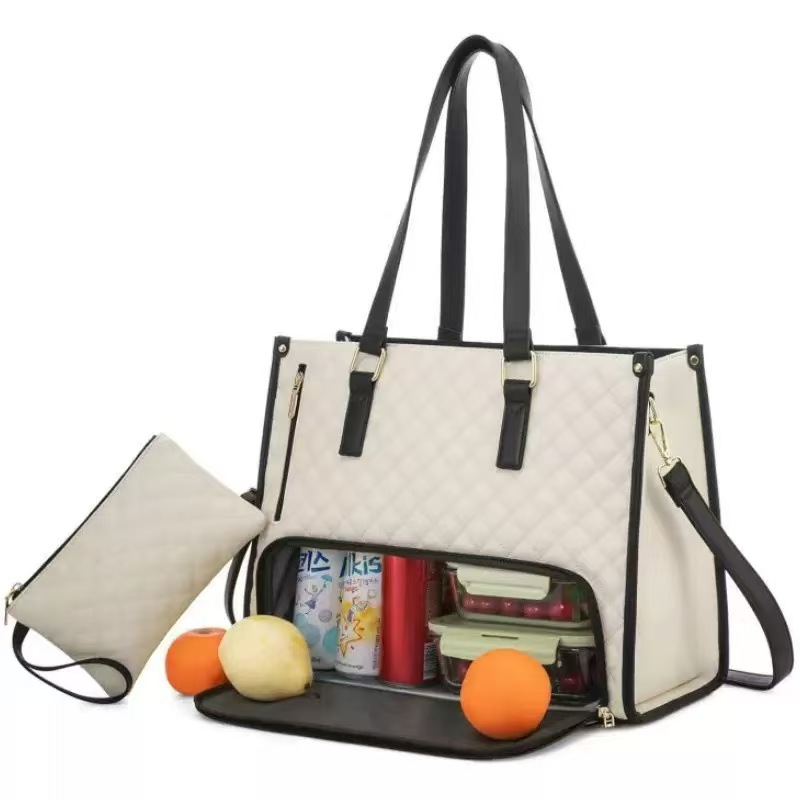
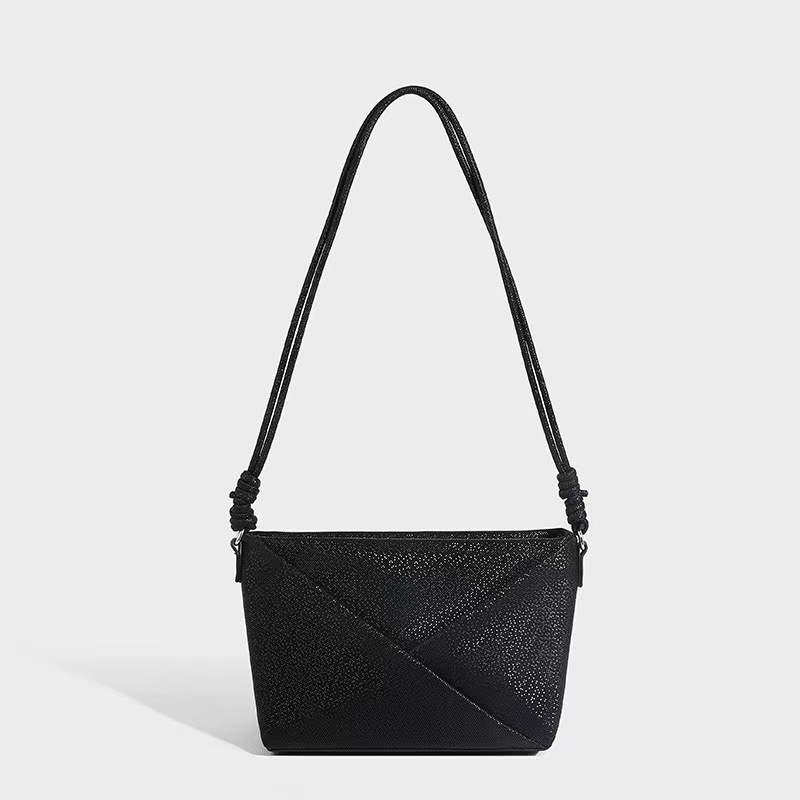
More Sourcing Guides
Which is more durable, nylon or polyester?
Nylon is generally more abrasion-resistant and long-lasting.
Is nylon waterproof?
More water-resistant than polyester naturally, but a coating is still used for full protection.
Which is cheaper?
Polyester is usually lower cost, good for budget lines.
Can both be recycled?
Yes, recycled rPET versions exist for both fabrics.
What denier should a backpack use?
420D-600D for everyday; 1000D+ for heavy-duty use.
Buyer's decision brief: Nylon vs. polyester backpack
Every material in Nylon vs. polyester backpack trades off four things: hand feel, durability, price and compliance. Genuine leather wins on feel and ages well but varies hide to hide and needs REACH-compliant tanning for the EU. Microfiber and high-grade PU win on consistency and price stability. Recycled RPET and organic cotton win the sustainability story but usually cost 10–25% more and have longer lead times. There is no best material — only the right one for your price point and market.
Material choice drives at least half of the unit cost and most of the perceived quality of Nylon vs. polyester backpack. Buyers often specify 'PU leather' as if it were one thing, when in fact PU spans a range from thin coated split that cracks in a season to solvent-free microfiber that outlasts genuine leather in abrasion testing. The practical approach is to specify the performance you need — abrasion cycles, colour fastness, hydrolysis resistance — and let the mill certificate prove it, rather than naming a generic material.
Key parameters at a glance
| Material | Hand feel · Durability · Relative cost · Best for |
|---|---|
| Full-grain leather | Excellent · Very high · High · Premium / luxury lines |
| Top-grain leather | Very good · High · Med-high · Mid-premium handbags |
| Microfiber (vegan) | Very good · High · Medium · Consistent private label |
| PU (solvent-free) | Good · Medium · Low-medium · Fashion, fast-turn styles |
| Recycled RPET | Good · Medium-high · Medium · Sustainability-led brands |
| Canvas / cotton | Natural · High · Low-medium · Totes, promotional |
| Nylon / polyester | Technical · Very high · Low-medium · Travel, backpacks |
| Straw / woven | Textured · Medium · Medium · Resort & seasonal |
Mistakes buyers make with Nylon vs. polyester backpack
- Specifying a material by name only, without a performance standard or test report.
- Choosing cheap PU for a product that will be stored in a hot warehouse — hydrolysis will peel it.
- Forgetting that light-coloured materials show adhesive marks and need stricter QC.
- Not testing colour fastness to rubbing; dark linings bleed onto light shells in transit.
Why source this from Jinman
Yiwu Jinman Bags runs both sides of the catalogue: ready stock that ships from one piece for buyers testing a market, and full OEM/ODM development from 100 pieces per style and colour. Sampling takes 7–12 days, bulk production 25–35 days, and every order ships against a written spec sheet with AQL 2.5 inspection as standard — 1.5 for first orders. Freight is available EXW, FOB, CIF or DDP door-to-door to the US and EU, with HS codes, REACH and Prop 65 documentation provided for your market.